Conchi Through a Lens: Light, Rock and Salt Spray
I am crouched on a rock shelf with my back to the wind, wiping a spray-spotted filter with the driest corner of a microfibre cloth, waiting out a set of waves. Six years of weekends bouncing down Arikok’s dirt tracks have taught me that Conchi hands you about ten minutes of perfect light and a hundred minutes of everything else. The good news is that those ten minutes are worth the drive, and they are entirely predictable once you know which way the coast faces.
This page covers where the strong angles are, when the light behaves, and what will quietly wreck your camera out there. Access, entrance fees and walking times all live on the transport hub and the hiking deep dive, so nothing here repeats them. Think of this as the visual companion: the bit you read the night before, with a charged battery and a dry bag by the door.
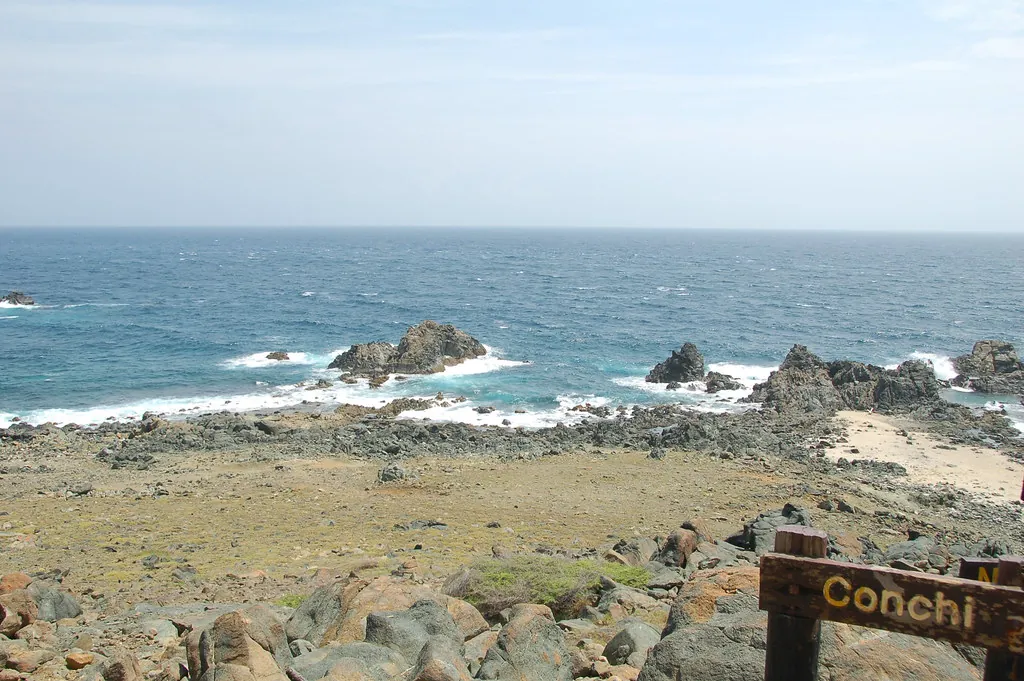
Why Conchi Photographs Better Than It Looks on Camera
Conchi means shell, so think nature’s own shell pool: a basin of black volcanic rock on the wild east coast with the Atlantic hurling itself over the rim. Black stone next to bright water is the entire reason the place photographs so beautifully, and it is also the reason half of everyone’s pictures come home looking like a grey smear. Midday sun flattens that contrast into nothing at all. The two hours after sunrise give you deep blacks, clean whites and water the colour of bottled ink.
Trade winds run across this coastline for most of the year and they lift fine spray into the air, which settles on your front element within seconds of you uncapping the lens. A microfibre cloth matters more out here than any filter you own. The other habit I watch people fall into, over and over, is standing on the rim and pointing the phone straight down at the water. Shoot across the pool instead, from the rim toward the far rocks, and the shell shape finally appears in the frame.
Five Spots Worth Your Battery
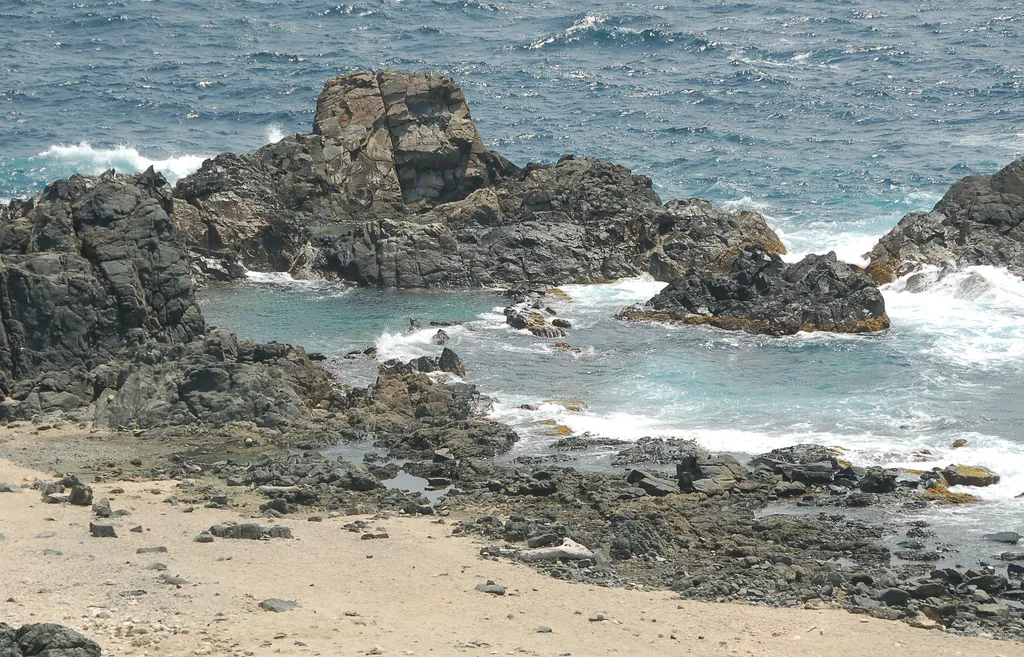
The Rock Arch
The postcard shot, and the one everybody recognises. Stand slightly left of centre so the arch frames open Atlantic rather than the cliff behind it. The footing here is wet for most of the morning, which is fine until it isn’t, so move slowly and keep one hand free. Read the visitor rules before you perch anywhere ambitious.
The Lower Pool Ledge
Squat low here and the still water above the ledge turns into a mirror, holding the rock arch upside down. Kneeling on wet volcanic rock ruins knees and lenses in equal measure, so a folded towel under one knee is a small kindness you will thank yourself for. Get here before 9am for glassy conditions.
The Cliff Rim Above
The widest view of the whole bowl, and the only angle that explains how the pool is shaped like a shell at all. A phone’s ultra-wide handles it, and anything between 16mm and 24mm on a full-frame body does the same job with cleaner corners. Loose rock at the edge is the trade-off.
- The Entry Shelf: where swimmers gather and the natural place for people-and-place frames that show the scale of the pool. Expect legs in shot and expect to wait for a gap in the splashing.
- The North-West Shelf: the quietest corner and the last part of the pool to catch direct light in the evening. Ten minutes of careful scrambling from the main rim, and worth every step if you want backlit spray with nobody standing in front of you.
Photo Spots at a Glance
| Spot | Best Light | What You Get | Crowd and Risk |
|---|---|---|---|
| Rock Arch | Early morning | The classic arch-and-ocean frame | Busy from mid-morning; watch wet footing |
| Lower Pool Ledge | Sunrise to 9am | Mirror reflections and clear water | Moderate crowds; spray on the lens |
| Cliff Rim | Last 90 minutes of daylight | Full bowl of the pool and the coastline beyond | Quiet; steep loose rock at the edge |
| Entry Shelf | Any time, best mid-afternoon | Swimmers and the true scale of the pool | Busiest spot; splashes on gear |
| North-West Shelf | Golden hour | Backlit spray and long shadows on black rock | Empty; requires a careful scramble |
Golden Hour, Trade Winds and Cloud Cover
The east coast faces the sunrise, so Conchi’s finest ten minutes happen long before the tour buses have left their hotel car parks. Check times in advance on sunrise and sunset data for Oranjestad and build the morning around the first forty minutes of light. Afternoon cloud build-up is completely normal here, and broken cloud actually lifts the water colour into something richer than a flat blue. Flat grey skies kill it dead.
Swell and wind matter as much as sun angle does. A windy day throws spray across the lens and turns the pool into churning white water, which makes for dramatic frames and unusable ones in equal measure. The Aruba Meteorological Department publishes wind and marine forecasts worth checking the evening before, and it takes two minutes.
- Sunrise time, so you know when to leave the hotel, not when to arrive.
- Wind speed and direction, because anything above a stiff breeze means spray on the front element.
- Swell height, since a big swell closes the pool to swimmers and turns the rim into a wet, hazardous perch.
- Passing showers, which are brief, cold and occasionally spectacular against black rock.
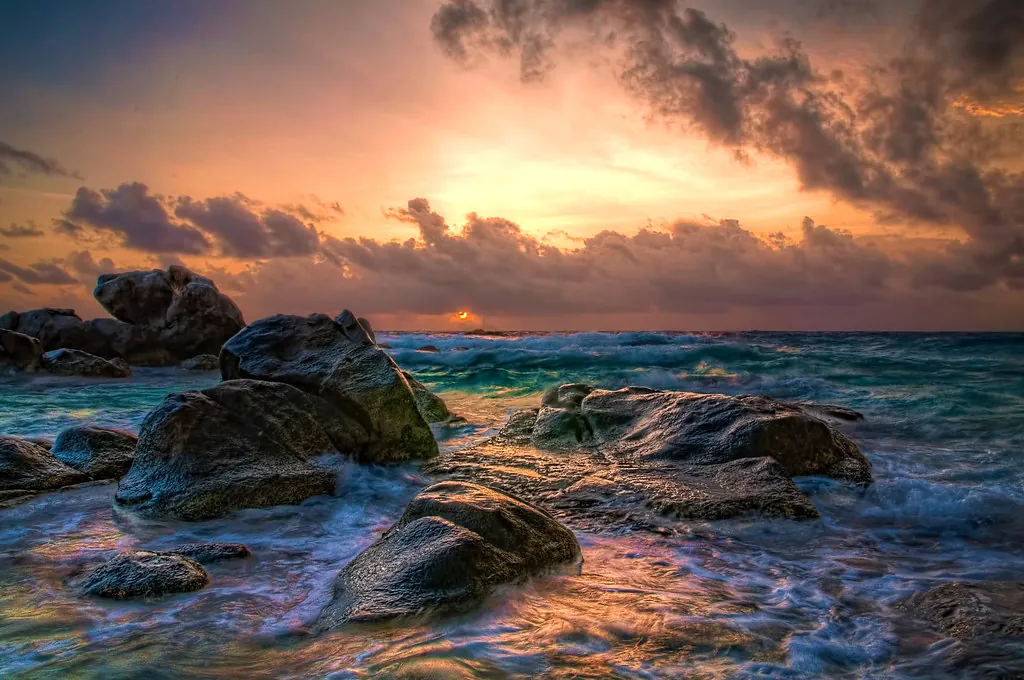
Arrive for first light, shoot the arch while the water is still glass, then swim once the light goes flat and the contrast dies. That is the whole routine, and it has never once failed me.
Drones in Arikok: The Short Answer
Flying a drone inside Arikok National Park is not a casual yes. Recreational flights are restricted, and commercial filming needs written permission from the park authority, which you arrange well before you land on the island. Permission is routinely refused over the pool itself, because the swimming area sits directly beneath the flight path you would want to use.
Aruba’s civil aviation rules apply island-wide on top of anything the park decides, and enforcement shifts with the season. Fines and gear confiscation are the realistic downside, and arguing at the trailhead has never once worked. Contact the Arikok National Park Foundation and the Directorate of Civil Aviation Aruba before the drone goes in your hand luggage. There is more on park rules, footwear and closures on the rules and safety page.
- Hand-held shots from the cliff rim, which give you most of the aerial composition without the paperwork.
- A GoPro on a short pole while you swim, held close to the body so it does not read as a hazard to other swimmers.
- Land-based panoramas stitched from the rim, three or four frames across the bowl, stitched later at home.
- A tripod with a wide lens at the north-west shelf, which delivers the drone look minus the flight ban.
If you want the shots without any of the logistics, guided groups handle the transport and the timing for you, and the guided options page sets out what each one includes.
Salt, Sand and Spray: Keeping Your Kit Alive
Salt spray is the enemy, and a single wipe with a dry cloth drags grit across the front element in a way that shows up in every subsequent photograph. The coast here eats gear quietly rather than dramatically.
- Rinse the lens cloth and any filter in fresh water at the end of the day, then let them dry fully before they go back in the bag.
- Keep silica gel sachets in the camera bag; humidity inside a sealed bag does more long-term damage than a splash ever will.
- A plastic bag or dry sack on the rock shelf is non-negotiable when the wind picks up and spray starts travelling.
- Never change lenses at the pool edge. Walk back up the rim, turn your back to the wind, and do it there.
- A cheap rain cover weighs nothing and saves a body from wind-blown spray during a passing shower.
Volcanic sand is finer than beach sand and it works its way into zoom rings, tripod legs and every threaded connection you own. It is a proper nuisance to remove once it is in. Reef-safe SPF 50 on your hands matters here too, since sunscreen transfers straight onto camera bodies and greases absolutely everything it touches. The Aruba packing guide covers what else deserves a place in the bag.
Shooting Without Being a Menace
Conchi is small and shared, and a photographer with a tripod can quietly ruin the pool for thirty swimmers without ever meaning to. The swimming and depth guide explains why the entry shelf demands respect, and the etiquette below keeps you welcome there.
- Never block the entry shelf steps, not even for thirty seconds and not even for a brilliant frame.
- Ask before a stranger lands in a close frame; most people say yes and pose, and the shot is better for it.
- Keep tripods off the main swim line, where a leg in the water is a trip hazard.
- No flash at people’s faces, particularly near the rim where eyes are already straining against the glare.
- Pack out every bit of tape, packaging and lens cloth wrapper you brought in.
There is no lifeguard at Conchi, and a photographer fiddling with settings by the water is a swimmer not paying attention. Set the camera down before you get in, every time. If you want an honest picture of how other visitors find the place, the visitor reviews and insights collect the recurring praise and the recurring complaints side by side.
Where These Spots Sit
All five viewpoints cluster around the same bowl of rock, within a few minutes of each other on foot. The rock arch and the lower pool ledge are the closest pair, the cliff rim sits above and behind both, and the north-west shelf is the only one that needs a deliberate scramble. Parking, the trailhead and the last stretch of rough track belong to the 4×4 and parking guide and the hiking page, since the walk in is its own decision.
Before You Pack the Camera Bag
The best Conchi natural pool photos come from early arrival and a dry cloth, not from expensive glass. Get there for first light, shoot across the water rather than down at it, keep your feet off the wet shelf when the swell is running, and you will come away with frames that justify the tumble-dryer ride in. The Aruba Tourism Authority keeps broader island information if you are still building the rest of the itinerary.