The tarmac runs out a few kilometres past the Arikok visitor centre, and that is where the trip to Conchi really begins. I have made that turn more times than I care to count, always with two litres of water sweating on the passenger seat and a quiet worry about the hire car’s suspension. What follows is what six years of dusty weekends have taught me about reaching the Natural Pool: five routes that genuinely work, the money attached to each, and the popular ideas that fall apart the moment you try them.
Conchi means shell in Papiamento, so picture nature’s own shell: a volcanic basin on the windward coast where the Atlantic heaves over the rim and leaves a cold, clear bath behind. Getting there is half the story, and it is the half most visitors underestimate.
There is one gate, one set of park rules, and five ways in. Everything else is guesswork dressed up as a plan.
One Hard Fact Shapes Every Plan You Make
There is no public road to Conchi. No shuttle bus drops you at the rim, no pier takes a landing craft, and no shortcut skips the national park. Every route runs through Arikok, which means the park sets the hours, collects the entrance fee and decides which vehicles are allowed past the San Fuego gate. Arrive with that in mind and the day runs smoothly. Arrive without it and you will be turned around at the barrier with a long drive home ahead of you.
- Park hours: the gate opens around 08:00 and closes in the late afternoon, with last entry generally an hour before. Turn up at 16:30 and you are going nowhere.
- Entrance fee: roughly US$11 per adult (about €10) for non-residents, paid at the gate. Children’s rates and resident passes differ, so check the Arikok National Park official site before you travel, since figures get revised.
- Vehicle check: staff look at what you are driving. A low-clearance saloon car will not be waved through to the pool track, and rightly so.
- No fuel, no water, no shade: the park has none of these in useful quantity. Fill up in Santa Cruz and carry your own.
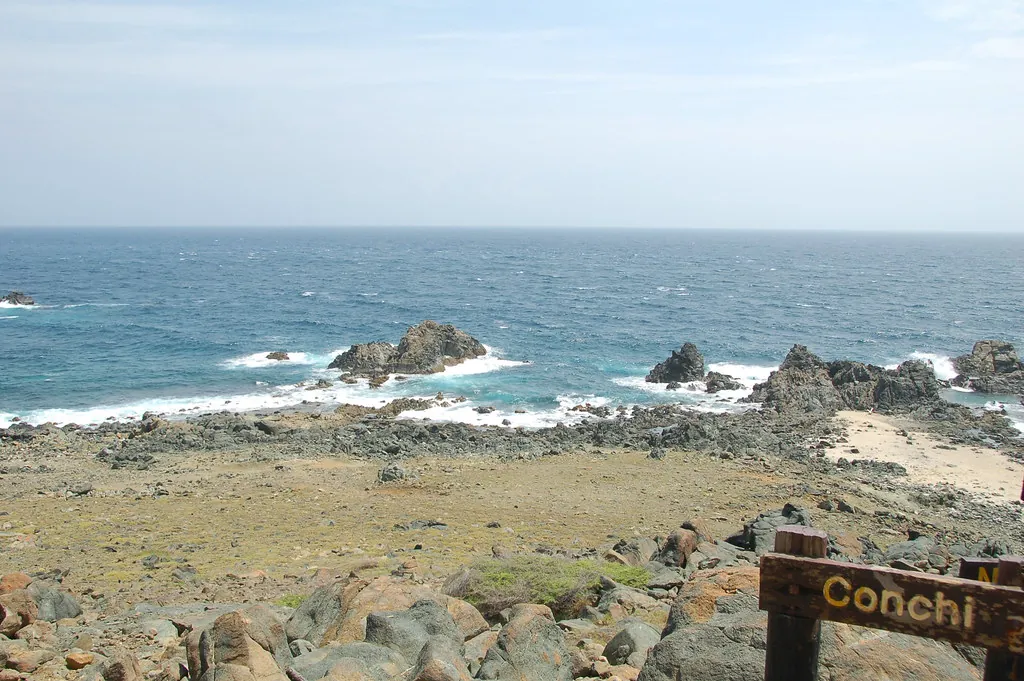
Five Ways to Reach Conchi
Guided 4×4 and Jeep Tours
Hotel lobby pickup, a driver-guide who knows every rut, and the park fee usually folded into the price. Half-day jeep safaris run from around $78 to $140 (roughly €72 to €130) per person, with private departures starting near $211. The Natural Wonders Caves and Natural Pool Jeep Tour sits comfortably mid-range at $87, and the Signature tour at $78 pairs Conchi with Baby Beach for the same morning.
ATV and UTV Convoys
A guide leads, you follow, and the format suits nervous drivers because nobody has to navigate. Expect a tumble-dryer ride of thirty to forty minutes each way and a face full of caliche dust. Machines are priced per vehicle rather than per person, so a four-seater splits well between friends. The UTV adventure with jeep transfer at $349 is the premium end of that scale.
Horseback from the Ranch
Rancho Daimari and Gold Mine Ranch both run rides across the park’s northern trails. The pace is slower and the trail quieter, which is the point. What people rarely understand is that horses stop at the rocks above the pool; they do not wade in, so swimming happens after you dismount and scramble down. Expect around $115 for a half-day ride.
Self-Drive 4×4
You need a genuine high-clearance 4×4 and a rental contract that permits off-road use, which most standard policies do not. Read the small print, then read it again. The full breakdown of vehicles, insurance traps and tyre pressures lives on the 4×4 drive and parking guide.
On Foot
Two distinct walks exist. One is a short, steep rock scramble from the upper parking area that takes ten to fifteen minutes. The other is a long, exposed slog from the visitor centre that eats half a morning and demands serious water. Both are covered in detail on the hiking guide to Conchi.
Getting to the Park Gate: Airport, Cruise Port and Hotel Strip
Before any of the routes above matter, you have to reach the San Fuego entrance. Distances on Aruba look trivial on a map and feel longer in traffic, particularly when a cruise ship is in port and the Oranjestad roundabouts clog up. The figures below are approximate and based on normal daytime conditions.
| Starting Point | Distance to San Fuego Gate | Typical Drive Time | Notes |
|---|---|---|---|
| Queen Beatrix International Airport | About 20 km | 30 to 35 minutes | Pick up the hire car, then head east via Oranjestad. See Airport Aruba for arrivals. |
| Oranjestad cruise terminal | About 17 km | 30 minutes | Ship arrivals flood the taxi rank between 09:00 and 10:30. |
| Palm Beach high-rise strip | About 25 km | 40 to 45 minutes | Longest transfer of the main hotel zones. |
| Eagle Beach and Manchebo | About 22 km | 35 to 40 minutes | Most guided tours collect here first. |
| Savaneta | About 13 km | 25 minutes | My own starting line. The quietest approach. |
| San Nicolas | About 19 km | 30 minutes | Empty roads early, then a slow run through Santa Cruz. |
Can You Drive to Natural Pool Aruba? Yes, With Caveats
You can drive yourself, and plenty of visitors do, but the answer comes with strings attached. The approach runs from Oranjestad east along the main highway to Santa Cruz, then north following the brown Arikok signage toward San Fuego. The last stretch past the visitor centre is unpaved, rutted and occasionally washed out after heavy rain, which is where the average saloon car gives up.
Why Your GPS Will Lie to You
Phone signal dies in the park’s valleys, and mapping apps happily route drivers onto farm tracks that look like shortcuts and end at locked gates. Download an offline map before you leave the hotel, screenshot the park’s own paper map, and trust brown signs over satellite directions. The park staff also handle queries at the gate, so ask them rather than the app.
The Aruba Tourism Authority keeps a helpful island overview at Aruba.com, though nothing there replaces a paper map once you are past the fence line.
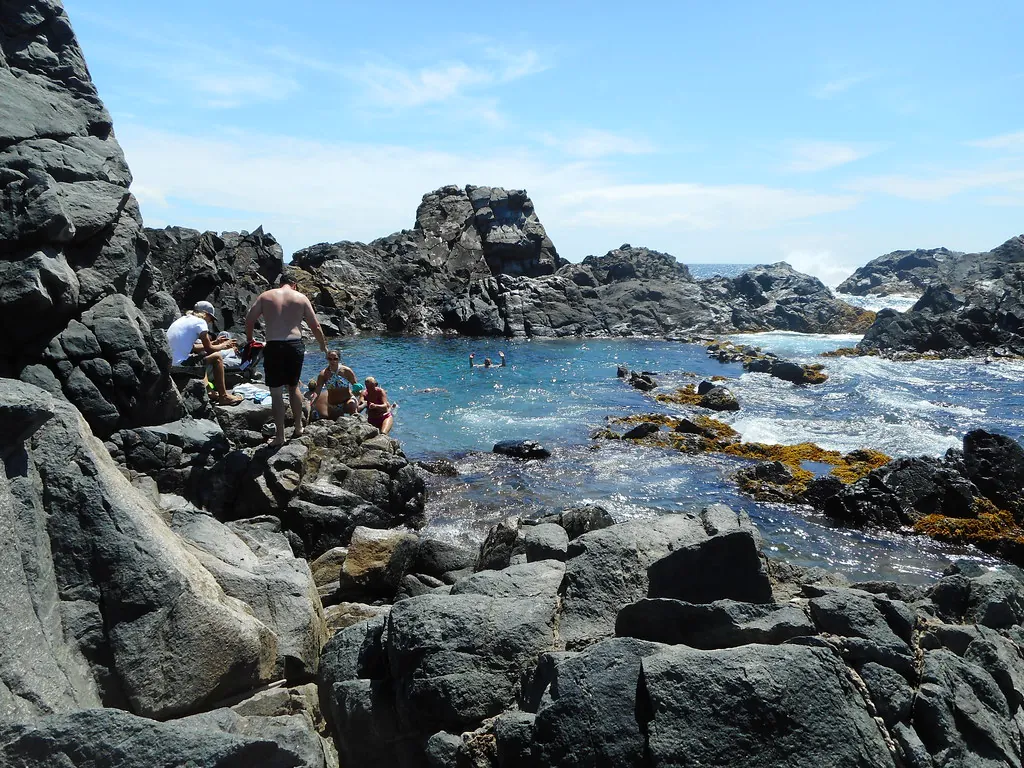
By Bus: Arubus Reaches Santa Cruz, Not Conchi
Arubus runs reliable services from Oranjestad to Santa Cruz for small change, usually under US$3, and the ride takes about forty minutes. From the Santa Cruz stop the public network simply ends for your purposes; the remaining five kilometres climb into the park and no scheduled bus goes there. Step off, then either call a taxi or accept that you are haggling with a driver who may not want the return leg.
By Taxi: Fixed Rates and Hourly Hire
Aruba’s taxi fares are government-set and posted inside the cab, which removes most of the argument. A one-way run from the hotel strip to the park gate lands somewhere between US$50 and US$70. Most drivers will not wait for two hours on a rough track for free, so the sensible move is hourly hire at roughly US$60 to US$80 per hour, or a pre-arranged pickup time if you have phone signal at the gate. Ask at the Aruba Ports Authority terminal if you are arriving by ship and want a licensed driver waiting.
By Boat: Ruled Out, and What to Do Instead
There is no scheduled landing on the windward coast and no sheltered anchorage near Conchi. The swell that makes the pool worth visiting is the same swell that makes a dinghy landing dangerous, so sailing there and hopping ashore is not a real option. If you want Conchi from the water, book a snorkel or sunset sail along the calmer leeward coast instead, and keep the pool for a land-based day.
Can You Walk In? Two Walks, Two Very Different Days
Walking is free once you have paid the park entrance, and it is the route I recommend to anyone with decent shoes and a tolerance for heat. The short option drops from the upper parking area down a rocky, uneven path in ten to fifteen minutes, with a few spots where you will want both hands free. The long option starts at the visitor centre and follows exposed ground for a couple of hours each way with almost no shade, so start before 08:30 or leave it alone. Full distances, elevation and footwear advice sit on the hike to Natural Pool guide.
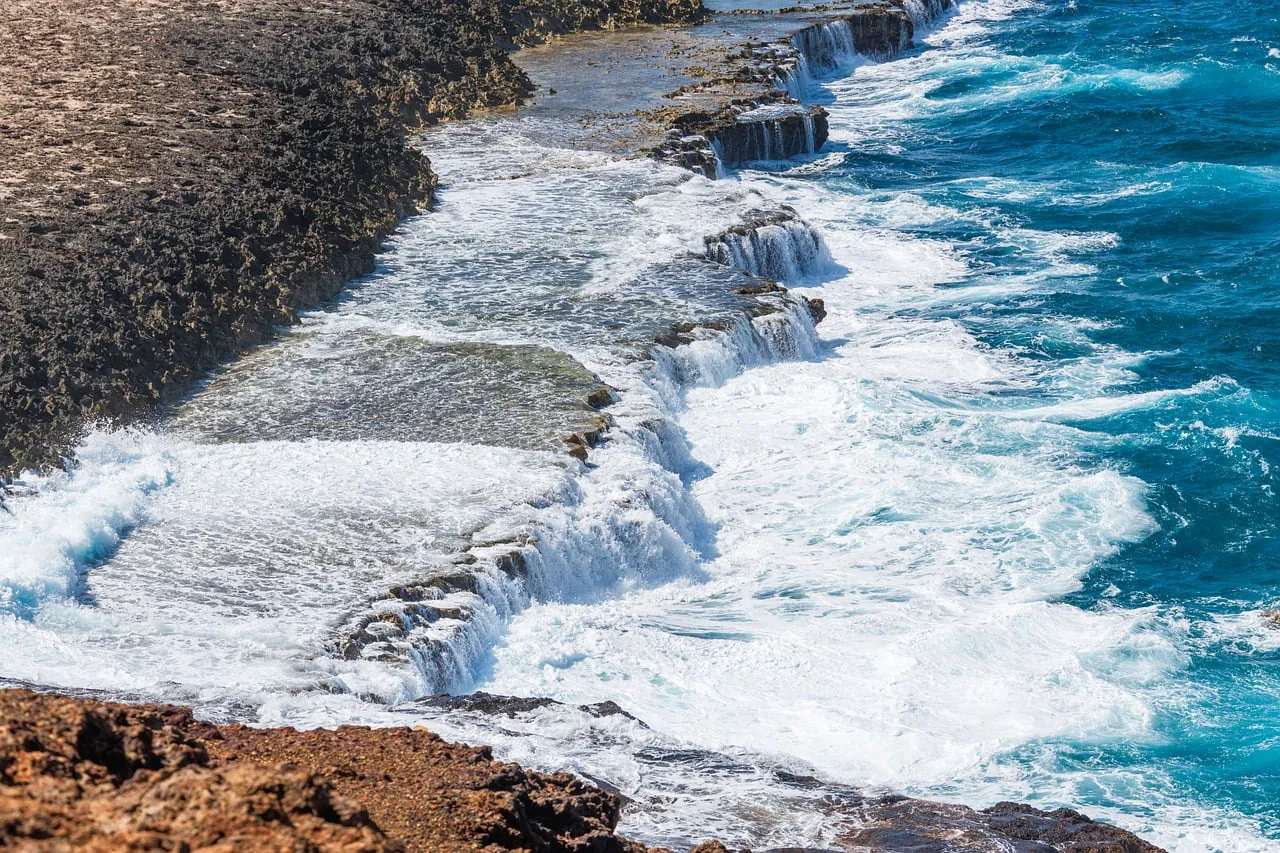
Parking Above the Pool: Where It Is and What to Leave Behind
Two car parks serve Conchi. The upper one sits directly above the pool, which makes the scramble short but the space tight; on busy mornings you may circle once or twice before a spot frees up. The visitor centre car park is larger and flatter, and it is the better choice if you are walking the long trail or arriving in a vehicle you would rather not punish further.
- Leave nothing visible in the car, not a towel, not a phone cable, not an empty rucksack. Petty theft is uncommon on Aruba, but a parked car in a remote car park is an easy target anywhere in the world.
- Lock the boot separately if you can, and take passports and cash with you rather than stashing them under a seat.
- Park nose-out on the loose gravel. Getting stuck on a slope with a cold engine is a miserable end to a good afternoon.
- Do not block the turning circle or the rock path. Rangers do tow, and the tow truck has a long way to come.
- Take every piece of rubbish back with you, including fruit peel and cigarette ends. The park is protected ground and the rangers notice.
Insider tip: the wind and swell decide whether Conchi is swimmable on any given day. Heavy north-east swell closes the pool to swimming even when the sun is blazing, and no tour operator can override that.
Tour Pickup, Timing and Closures
Guided tours collect from hotel lobbies between 08:00 and 09:30, and drivers work a tight loop, so being five minutes late can cost you the whole morning. Cruise passengers get a harder cut-off because the ship will not wait, and several operators refuse bookings that finish within ninety minutes of departure. If your itinerary depends on being back at the gangway on time, say so at the booking stage rather than at the gate.
- Early morning is the coolest window and the quietest, before the jeep convoys stack up above the pool.
- Midday brings hard sun, hot rock and the largest crowds. Bring more water than feels reasonable.
- The best light for photographs lands in the last hour before the gate closes, though you must then walk out in fading light.
- Wind and swell closures are posted by the park and echoed by operators. Check the day before, not the morning of.
Cost and Time at a Glance
| Route | Typical Cost Per Person | Time Door to Door | Best For |
|---|---|---|---|
| Guided 4×4 or jeep tour | $78 to $140 (€72 to €130) | 4 to 6 hours | First-timers, families, anyone without a 4×4 |
| ATV or UTV convoy | $96 to $349 per machine | 3 to 5 hours | Groups splitting a vehicle, keen drivers |
| Horseback from the ranch | About $115 (€105) | 3 to 4 hours | Slower pace, quieter trails |
| Self-drive 4×4 | $85 to $150 per day plus $11 park fee | Flexible | Independent travellers with off-road insurance |
| Taxi with hourly hire | $60 to $80 per hour | 3 to 4 hours | Small groups who want a driver but no crowd |
| On foot | $11 park fee (about €10) | 2 to 5 hours | Fit walkers, early risers, budget days |
Money matters get their own deep dive on the costs, fees and passes page, including what the park fee actually covers and how tips work with local guides.
What Goes in the Day Bag
- Two litres of water per person, minimum. There is nowhere to refill in the park.
- Reef-safe SPF 50, reapplied after every swim, plus a hat that will not blow off the cliff.
- Trainers or water shoes with grip. Flip-flops on wet volcanic rock are an injury waiting to happen.
- A dry bag or zip pouch for the phone, since the salt spray gets into everything on the windward side.
- Cash in small notes for the gate fee, and a light long-sleeved layer if you plan to stay for the late light.
Book the Transfer and Skip the Guesswork
If the driving, the insurance question and the GPS problem all sound like more admin than holiday, let someone else take the wheel. The tours below all collect from the main hotel zones, and several include the park fee in the headline price.
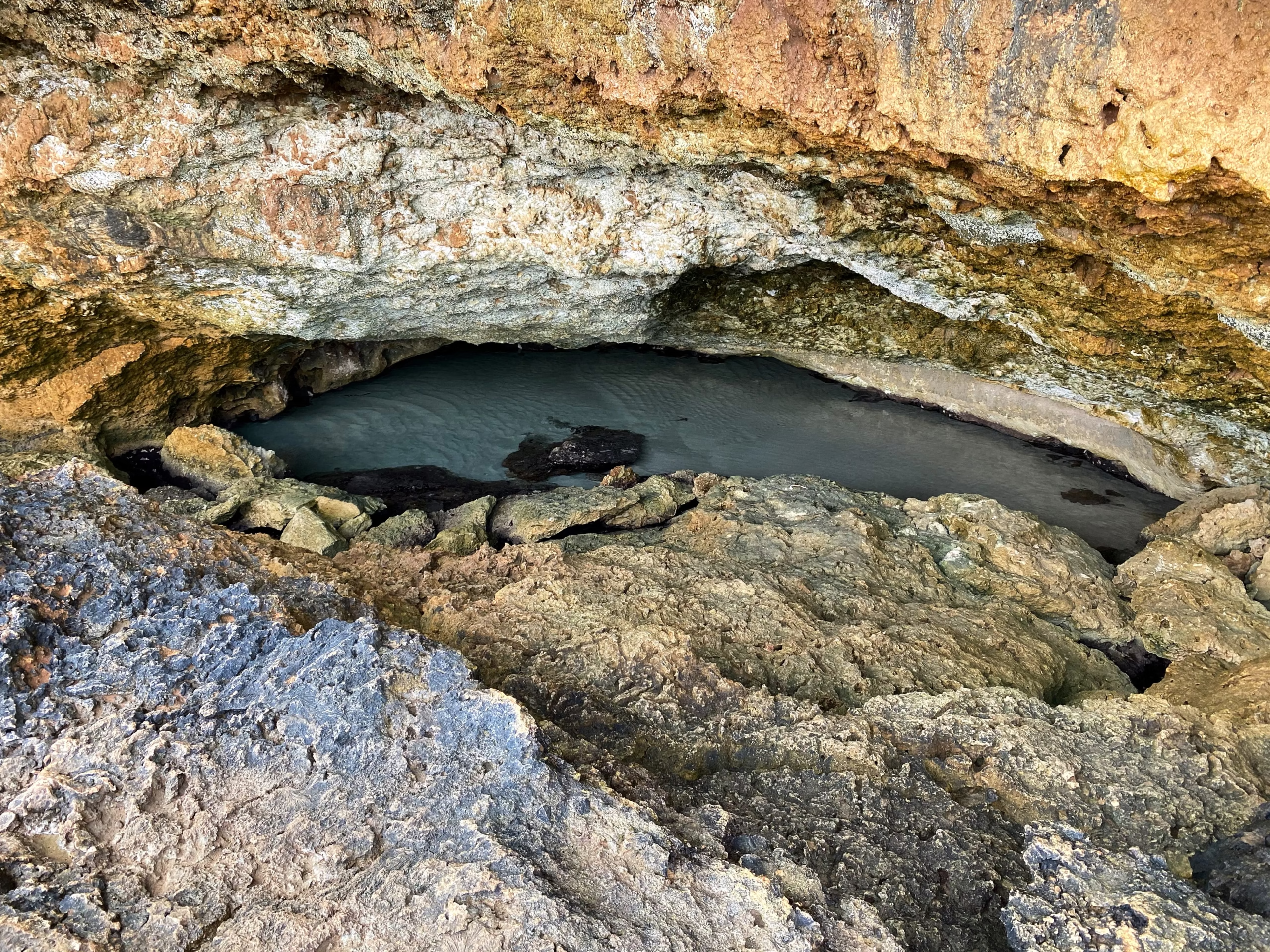
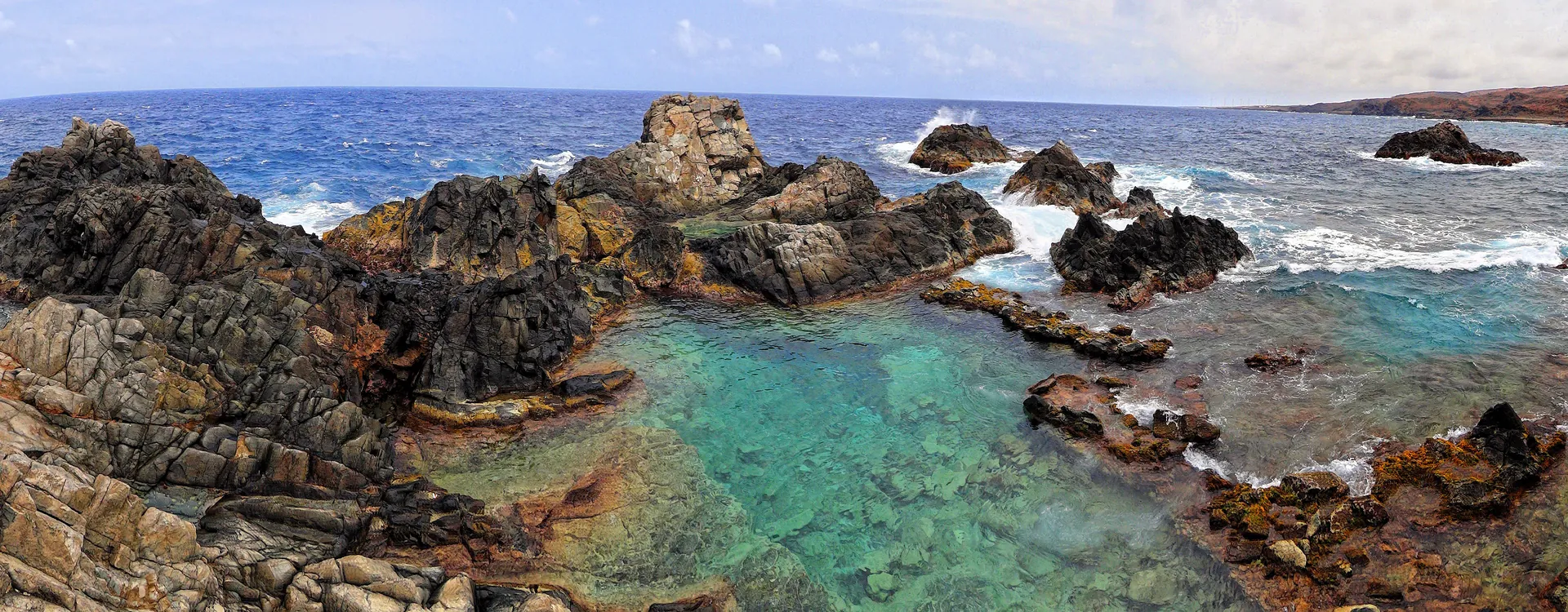
Whichever route you take, the last five hundred metres are the same for everybody: a steep, rocky drop to a pool that sounds like a washing machine from above and feels like a cold bath when you finally slide in. Take the drive slowly, park with sense, and leave the crowds behind by arriving early. For the swimming side of the day, the depth and swimming guide explains what the currents do, while the visitor rules page covers everything the rangers expect of you. If you want to plan your own run at the track, start with the self-drive guide, and if you would rather walk in, the hiking page has the timings. Reader photographs and honest verdicts are collected on the reviews page.