Natural Pool (Conchi) Aruba: The Definitive 2026 Visitor Guide
A wild volcanic caldera cradled by Atlantic breakers on Aruba’s untamed windward shore. Everything you need for the iconic scramble, swim, and safari.
Explore Visitor EssentialsEssential Natural Pool (Conchi) at a Glance (TL;DR)
Compare 2026 Ticket & Tour Options
 ★ ⭐ Top Choice
★ Best Overall Pick Aruba Signature Jeep Tour: Natural Pool and Baby Beach
From
$78
(~€72) via Viator | 
Best Budget Choice Aruba Natural Wonders Caves and Natural Pool Jeep Tour
From
$87
(~€80) via Viator | 
Top Customer Favorite Aruba Arikok National Park Jeep Safari: Natural Pool & Baby Beach
From
$95
(~€87) via Viator |
Best All-Inclusive Combo Natural Pool Caves Off Road Safari
From
$95
(~€87) via GetYourGuide |
|---|---|---|---|
| Duration 4h 30min | Duration From 4 hr | Duration 5 hrs | Duration 4.5 hours |
| Transport Hotel pickup available | Transport Hotel pickup available | Transport Hotel pickup available | Transport Meeting point or pickup |
| Languages English | Languages English, Español | Languages English, Español | Languages English, Dutch, Spanish |
|
Inclusions ✓ Experienced Driver/Guide ✓ Ice water (Refill) Bring your own Canteen, we are trying to keep our tours environmental friendly |
Inclusions ✓ Entrance to Arikok National Park ✓ Guests are encouraged to bring a reusable water bottle ✓ Use of Snorkelling equipment |
Inclusions ✓ Local guide ✓ Bottled water and snacks ✓ Pickup and Drop-off |
Inclusions ✓ Entrance to Arikok National Park ✓ Clean snorkelling equipment ✓ Water&Snack |
| Cancellation Free up to 24h before | Cancellation Free up to 24h before | Cancellation Free up to 24h before | Cancellation Free up to 24h before |
| Group Size Small Group Tour | Group Size Small Group Tour | Group Size Small Group Tour | Group Size Small / Standard Group |
| Ideal For First-time visitors & top highlights | Ideal For Budget-conscious travellers & maximum value | Ideal For Travellers seeking highly recommended experiences | Ideal For Families |
Aruba Signature Jeep Tour: Natural Pool and Baby Beach
Aruba Natural Wonders Caves and Natural Pool Jeep Tour
Aruba Arikok National Park Jeep Safari: Natural Pool & Baby Beach
Natural Pool Caves Off Road Safari
📅 Live Availability — Check Dates
- Cheapest Option: Self-guided wilderness trek from Daimari Ranch paying only the official park conservation fee of €20.50 (~$22.00 USD), free for kids 17 and under.
- Recommended Guided Experience: Small-group 4×4 open-top safari truck departing San Fuego with hotel transfers, experienced desert drivers, and included snorkeling kit.
- Advance Booking Window: Reserve guided jeep excursions 3 to 7 days in advance during high season (December–April) to secure early morning slots before cruise fleets arrive.
- Cancellation Flexibility: Premium platforms like Viator provide full 24-hour free cancellation windows, critical during volatile winter Caribbean swell warnings.
Choose Your Route: Tested 4×4 & Hiking Expeditions
Reaching Conchi is half the experience. You have three practical avenues: rough-and-ready open-air group safari trucks that tackle the spine-jarring basalt passes with ease, private bespoke 4WD charters tailored to your schedule, or guided sunrise hike-and-swim combinations departing from the windward ranches. Review live pricing and verified traveler ratings below, or dive into our full Tickets & Tours Comparison Guide.
What Conchi Actually Is (and What the Name Means)
Stand on the sun-baked ridge overlooking the northeastern coast of Aruba, and the landscape looks less like a Caribbean postcard and more like the violent surface of Mars. Here, at coordinates 12.5278° N, 69.9324° W, the turquoise Caribbean Sea collides with an unforgiving volcanic shelf inside the boundaries of Fundacion Parke Nacional Arikok.
In our local Papiamento tongue, Conchi translates literally to “bowl” or “shell”—so think of it as nature’s own deep volcanic bowl scooped into the coastline. Historical Dutch charts and elder fishermen from Savaneta also refer to it as Cura di Tortuga (“Turtle Pen”), recalling bygone eras when sea turtles were temporarily sheltered within its calm waters before the open ocean reclaimed them.
Unlike the calm, bleached sandspits of Palm Beach or Eagle Beach on the sheltered leeward coast, Conchi is a geological anomaly. It exists because ancient oceanic volcanic rocks—dense black and olive-green basalt—cooled into a rugged perimeter ring. This natural barrier traps crystal-clear Atlantic seawater while locking out the crushing undertows of the open sea. It is isolated, utterly devoid of commercial development, and protected fiercely by national conservation laws.
Why the Site Feels So Extreme: Basalt Walls and Ocean Breakers
The sensory drama of Conchi hits you before you even descend the cliff staircase. As trade winds whip salt spray across the cactus-studded limestone hills, an acoustic rumble reverberates up the valley. The Atlantic swell, travelling uninterrupted over thousands of miles of open deep water, strikes the outer basalt reef with colossal kinetic force.
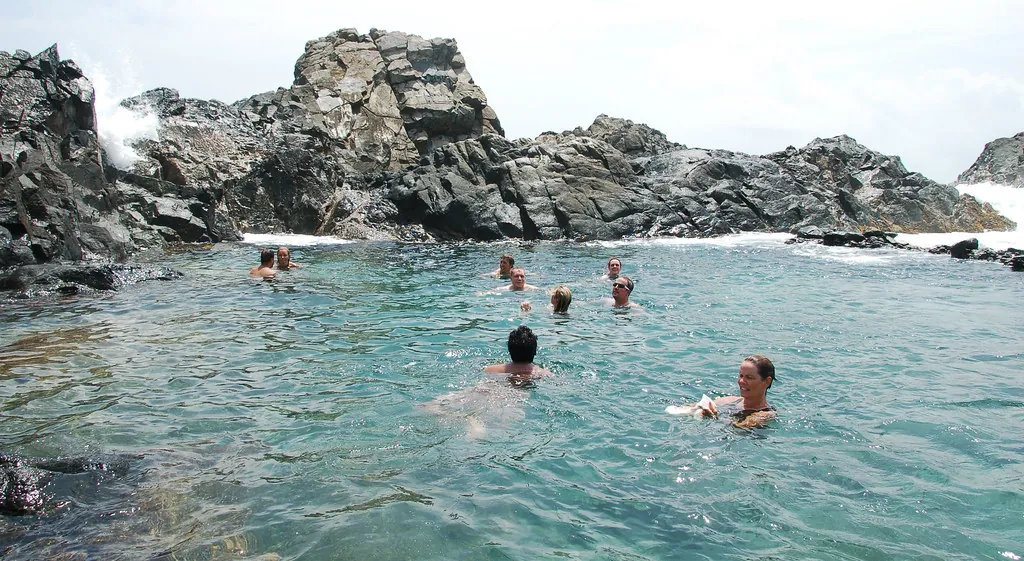
Plumes of white ocean spray erupt twenty to thirty feet into the blue sky, catching the equatorial sun and showering the seaward rocks in mist. Yet just inches behind this barricade of volcanic boulders lies an oasis of calm. The pool’s interior spans roughly one hundred feet across, varying in depth from a gentle three-foot wading ledge to sunken cavernous pockets reaching fourteen feet. It feels like swimming inside a fortress: you are immersed in tranquil, translucent water while ocean breakers detonate against the ramparts just paces away.
The Three Ways In, at a Glance
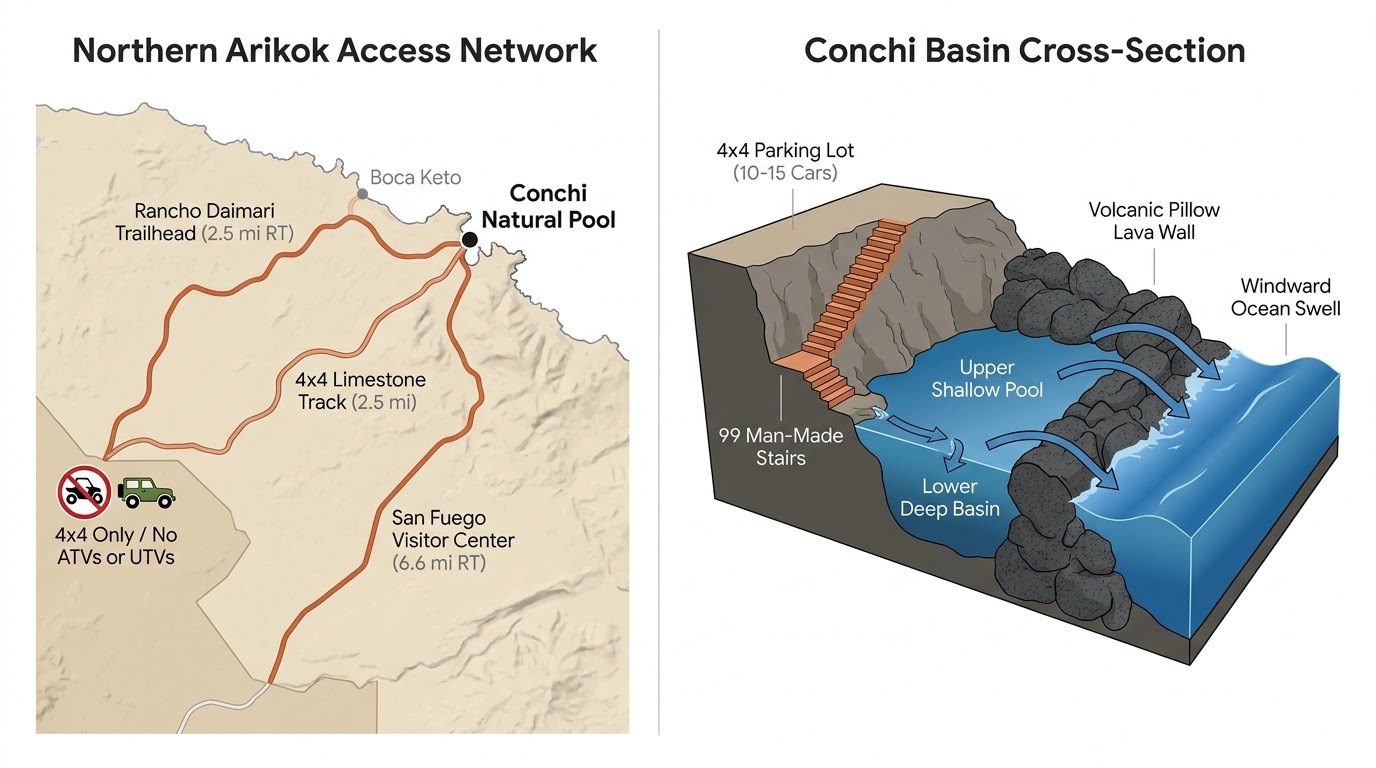
Reaching this hidden crater requires intention. There are no paved highways, tarmac roundabouts, or seaside shuttle buses running down to Conchi. You must commit to one of three distinct approaches, each presenting its own physical demands and trade-offs. For detailed navigation coordinates and trail hazards, consult our comprehensive Transportation Master Hub.
Guided 4×4 Safari Truck
Hop aboard a heavy-duty, open-air modified safari truck driven by a licensed local guide who knows every boulder on the trail. You bypass the stress of navigating the terrifying descent while soaking in panoramic desert vistas.
Self-Drive High-Clearance 4WD
Rent a genuine four-wheel-drive Jeep Wrangler or Land Cruiser with low-range transfer gears. You set your own alarm, arriving before the tour convoys at 08:30 to claim the pool in utter silence.
Hike from Rancho Daimari
A dramatic 3.5-kilometer coastal wilderness trek weaving through sand dunes, wind-gnarled divi trees, and crashing surf at Boca Keto. Rewarding, peaceful, and visually astounding in the early morning.
Top POI Cards: The Arikok National Park Cluster
Your official Arikok wristband (€20.50 / ~$22.00 USD) is valid for the entire day across the park’s 7,907-acre protected reserve. Do not make the amateur error of rushing to Conchi and then speeding straight back to your hotel. Combine your morning swim with these five exceptional natural and cultural landmarks scattered across the park’s desert circuits.
Fontein Cave
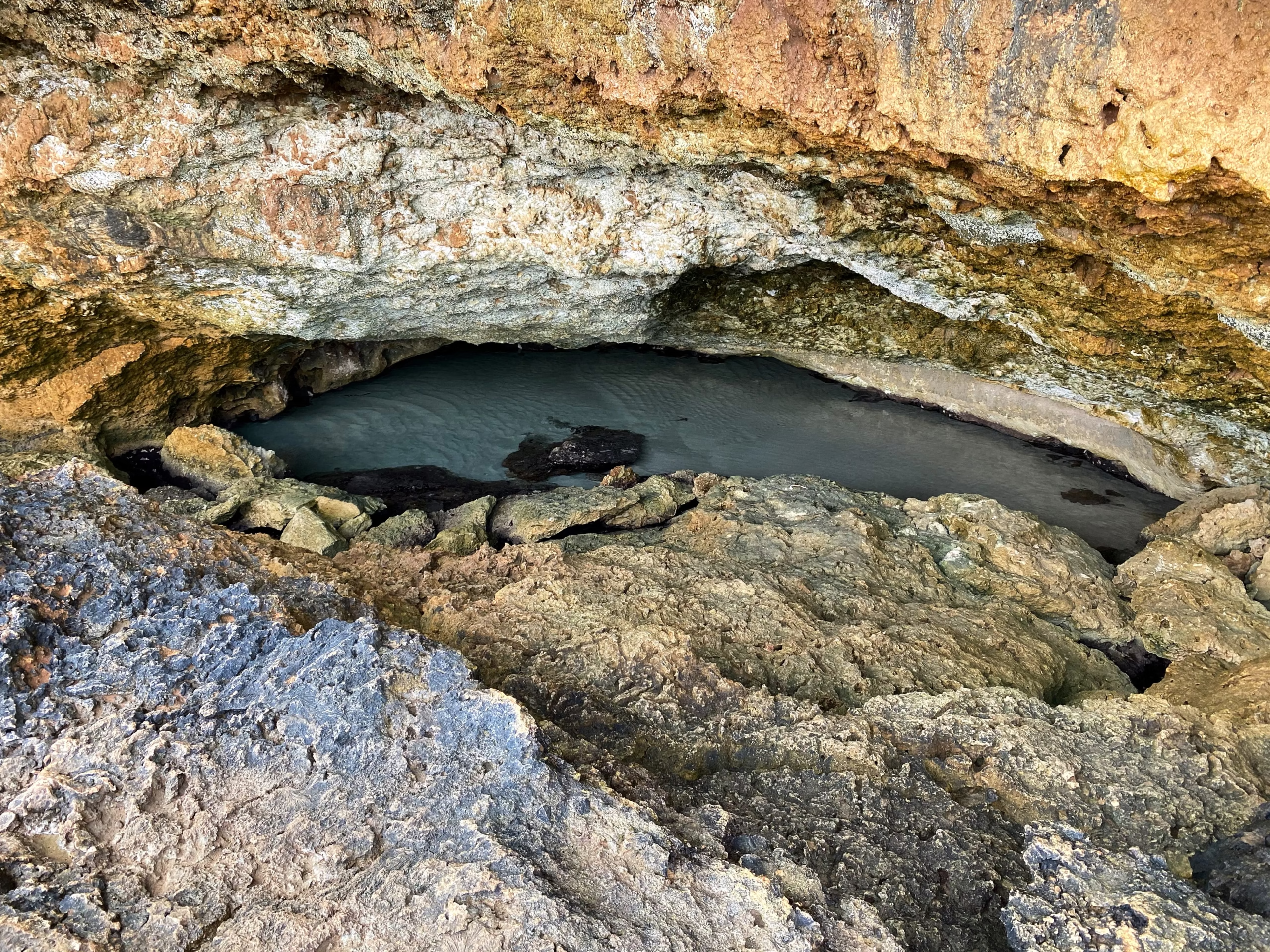
Limestone chambers housing reddish-brown cave drawings inscribed over a millennium ago by indigenous Caquetío Arawak peoples, paired with a freshwater spring teeming with tiny doctor fish.
Read Guide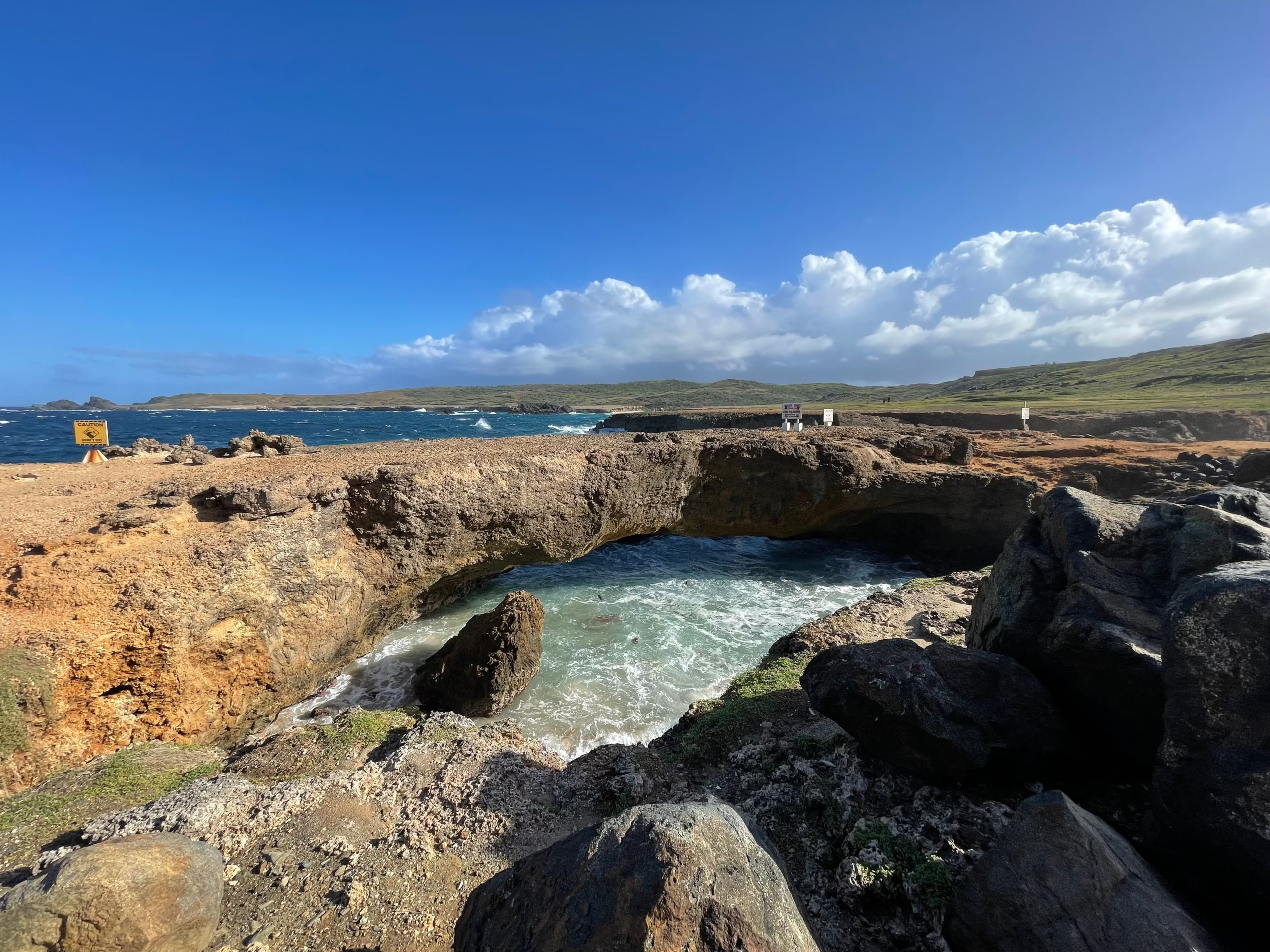
Guadirikiri Cave
Famous for two expansive dome chambers illuminated by dramatic overhead skylights. Morning sunbeams pierce through the limestone ceiling, creating an otherworldly cathedral effect for photography.
Read Guide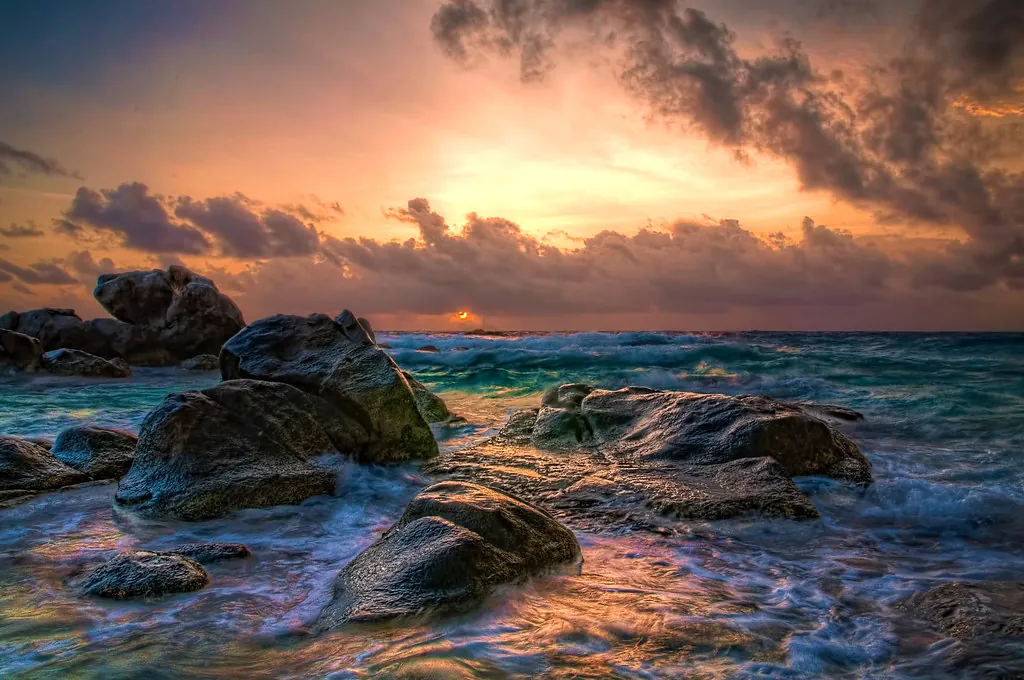
Boca Prins Coastal Bay
Shifting white quartz sand dunes framed by rugged limestone cliffs and violent turquoise surf. Swimming is strictly prohibited due to fatal undertows, but the seaside wooden boardwalk is magnificent.
Read Guide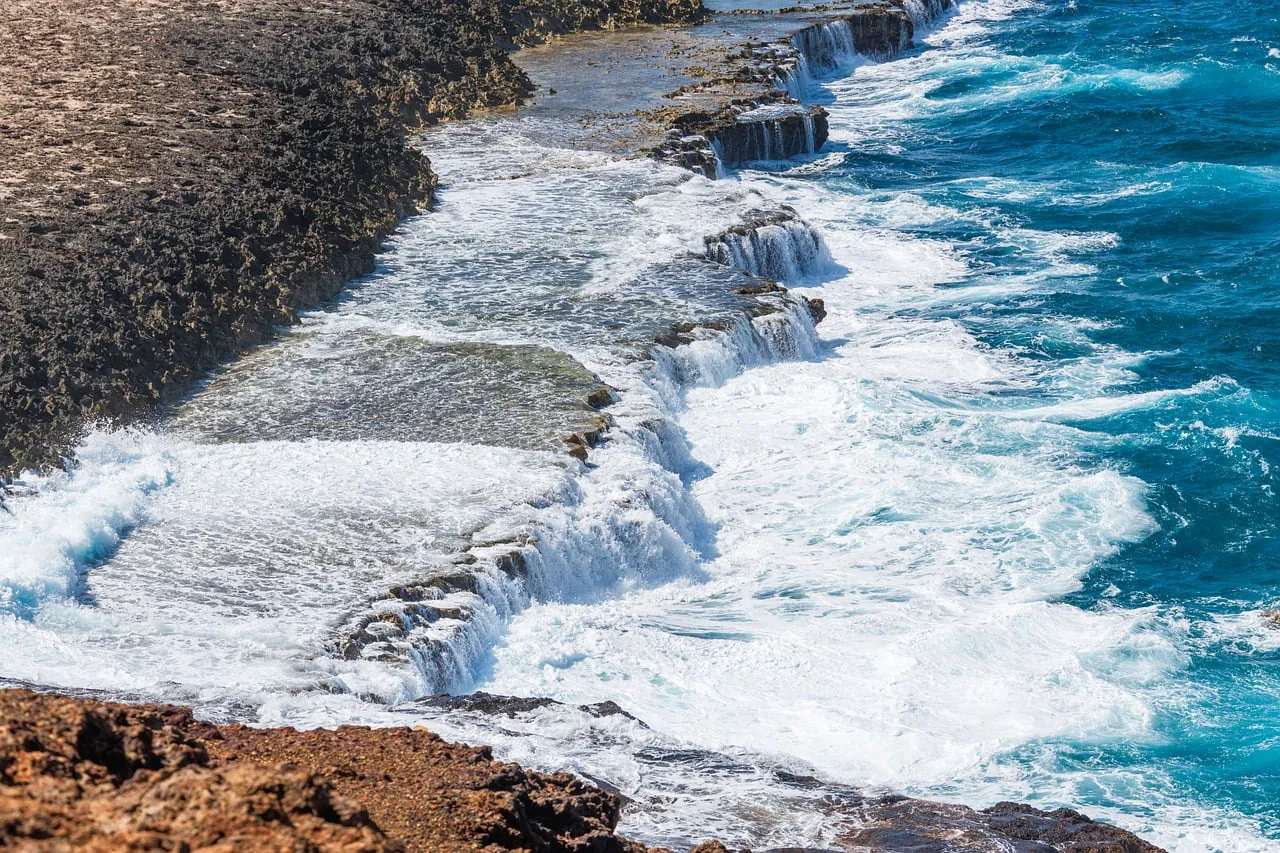
Dos Playa Twin Coves
A pair of pristine, wind-carved amphitheatre beaches separated by a high limestone bluff. The primary nesting sanctuary for leatherback and loggerhead sea turtles on Aruba’s eastern coast.
Read Guide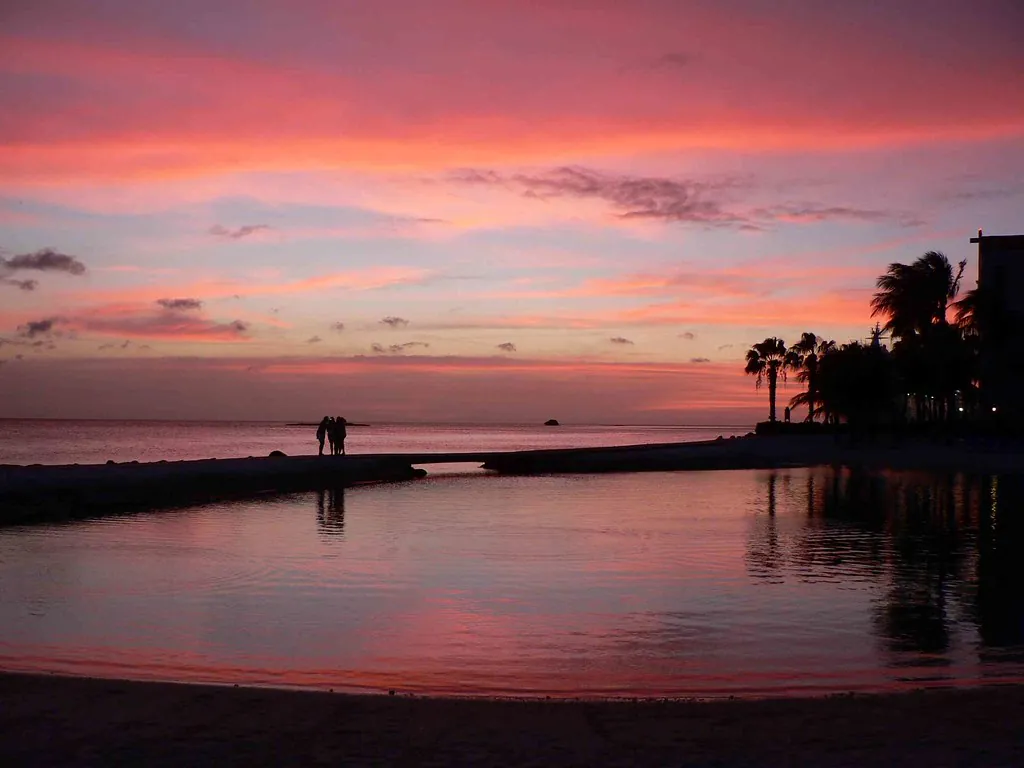
Rancho Daimari & Bay
A 17th-century coconut plantation converted into an equestrian trail base. Serves as the scenic northern trailhead for hikers venturing toward Boca Keto and the Conchi volcanic basin.
Read Guide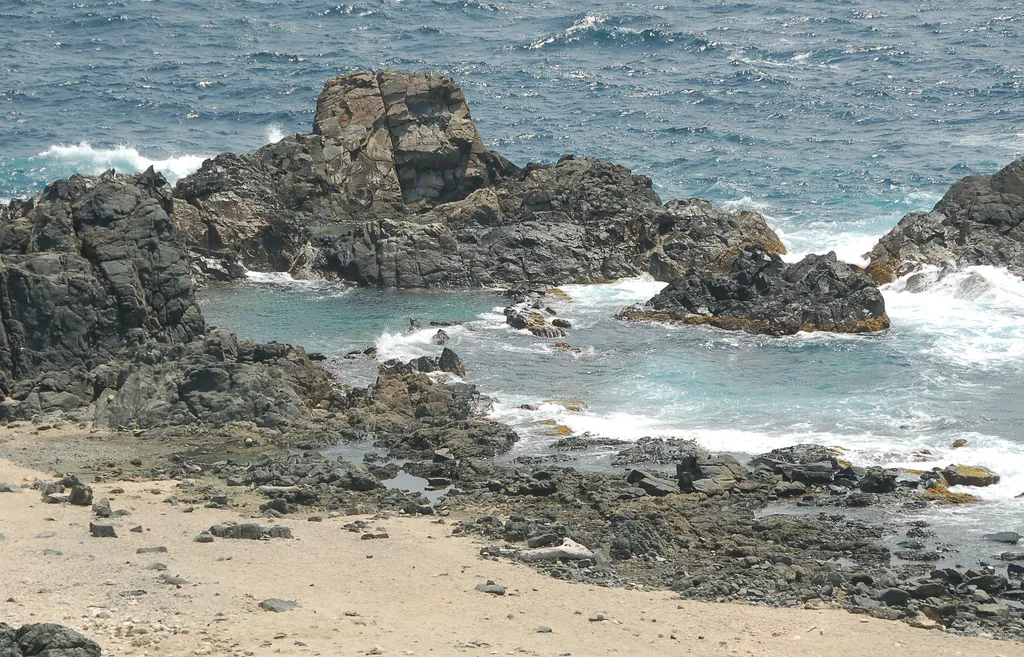
Miralamar Gold Mine Ruins
Crumbling stone foundations, shafts, and smelting tanks from Aruba’s brief 19th-century gold rush, perched high on the volcanic hills offering 360-degree vistas stretching from coast to coast.
Read GuideActivity Clusters: How to Experience the East Coast
Every traveler has a distinct rhythm. Whether your focus is adrenaline behind the wheel of an overland vehicle, underwater exploration amongst parrotfish, or solitude along remote coastal footpaths, discover your ideal adventure cluster below.
Guided 4×4 Off-Road Safaris
Tackle the rocky gullies of Shete and Seroe Colorado aboard specialized multi-passenger vehicles. Professional drivers manage tricky inclines while sharing folklore, biology, and park history.
Browse Safari Tours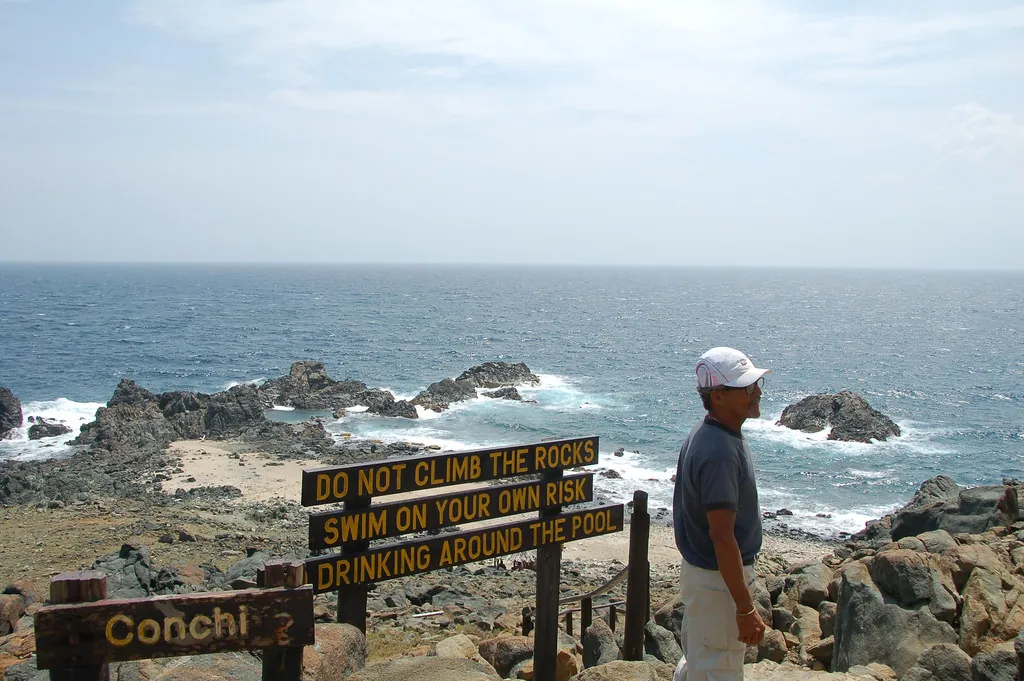
The Daimari-to-Conchi Coastal Trek
Trudge across sweeping sand dunes, past black jagged cliffs, and along the silent crescent of Boca Keto. An unforgettable walking trail for photographers and early-morning birdwatchers.
Explore Hike Itinerary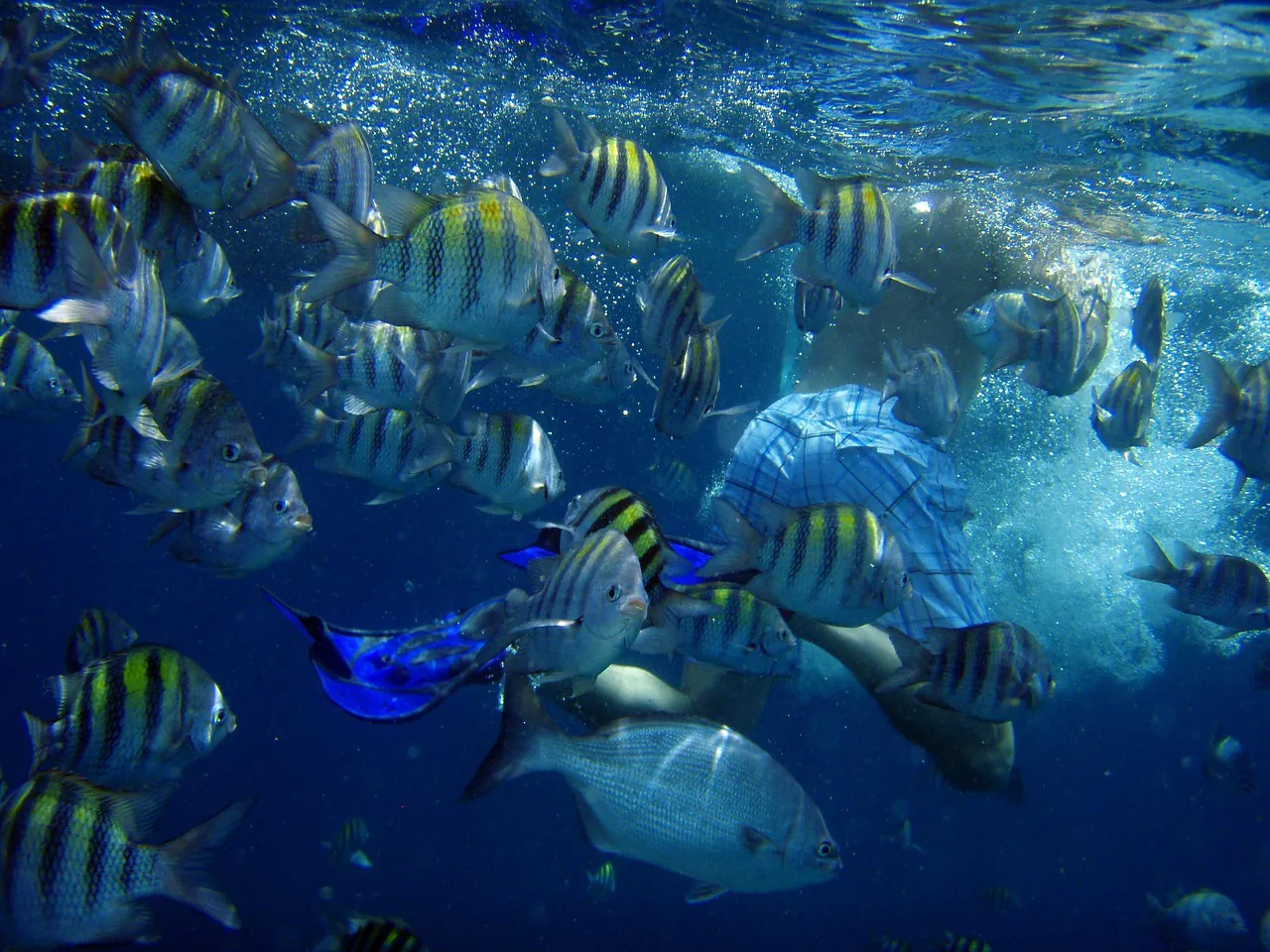
Basin Snorkeling & Tidal Swimming
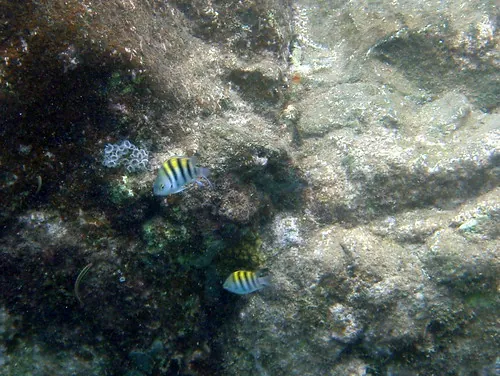
Slip into calm, crystalline waters enclosed by towering basalt. Peer into submerged crevices teeming with blue tangs, sergeant majors, sea anemones, and resilient brain corals.
Review Swimming GuideArikok Entry Fee, Wristband Rules and Visitor Centre Logistics
Arikok National Park is managed by a dedicated non-governmental conservation foundation that channels all visitor funds into wildlife preservation, trail maintenance, and flora restoration. Do not attempt to bypass official registration—park rangers patrol the interior constantly.
All adult visitors (ages 18 and older) must pay an admission conservation fee of $22.00 USD (€20.50). Children aged 17 and under receive free entry when accompanied by a paying adult. You must purchase your day pass in person at the main San Fuego Visitor Center on the western edge of the park, open daily from 08:00 to 16:00, with the final entry tickets issued strictly at 15:00.
Upon payment, rangers will attach a tamper-evident wristband to your arm. Keep this on; it will be inspected at internal checkpoints, particularly at the Shete barrier where 4×4 trail conditions begin. There is no fee collection station or ticket booth at Conchi itself. If you arrive at the pool via backtracks without a wristband, rangers will turn you around and escort you back to the gate.
Timing Your Visit: Crowd Windows and Ocean Swell
Because the pool is an intimate amphitheatre of rock, your timing dictates whether your experience feels like a sacred wild cathedral or an overcrowded hotel hot tub. The key is dodging the synchronized arrival of commercial jeep convoys.
Between 10:30 AM and 14:00 PM, roughly eight to twelve massive open-air safari jeeps pull up to the cliff staging area within minutes of each other. Upwards of 150 cruise passengers and resort tour guests stream down the wooden stairs at once. The tranquil basin suddenly becomes packed with splashing bodies, selfies, and shouting guides.
To experience Conchi in serene beauty, aim for our two golden windows:
- Early Morning (08:15 – 09:45 AM): Pass through the San Fuego gates the moment they unlock at 08:00 AM. You will reach the basin right as the morning sun illuminates the turquoise depth, enjoying thirty to forty minutes of absolute quiet.
- Late Afternoon (15:00 – 16:30 PM): After the safari convoys depart for Baby Beach, the pool empties out. The harsh equatorial sun softens into warm golden tones, creating spectacular lighting against the black basalt. Ensure you leave the trail before dusk at 18:00, as driving Arikok’s unlit boulders in the dark is perilous.
Swimming at Conchi: Depth, Entry Ledges and the No-Lifeguard Reality
Swimming inside Conchi is exhilarating, but you must respect the harsh reality of this marine environment. There are no lifeguards on duty at the Natural Pool. You are miles into a desert reserve, and emergency medical response times can exceed an hour over rough terrain.
Entering the water requires deliberate foot placement. There is no sandbar; you enter directly onto submerged basalt shelves and slick volcanic ridges coated in micro-algae. Wearing thick-soled, grippy neoprene water shoes is non-negotiable. Stepping barefoot onto the rocks risks puncture wounds from sharp barnacles and sea urchins nestled inside crevices.
The central bowl features sudden depth variations, dropping rapidly from waist-height shallows (3–4 feet) to submerged drop-offs reaching 10 to 14 feet. Weak swimmers should never enter without a life vest or snorkel flotation belt. Most importantly: never climb atop the outer seaward rock barrier. Unpredictable Atlantic swell sets—rogue waves crashing over the ridge—can sweep a careless traveler straight off the rocks into the churning open ocean, where rescue is nearly impossible. Obey the park flag warnings posted daily at San Fuego: if conditions display a red flag, swimming is strictly prohibited.
Things to Avoid in Natural Pool (Conchi): Tourist Traps & Red Flags
Proving editorial independence through unbiased criticism. These common tourist traps, booking mistakes, and safety hazards ruin visits when unplanned.
Unlicensed ATV/UTV Street Touts at Cruise Docks
Street brokers in Oranjestad and dockside hawkers routinely sell “Extreme Off-Road ATV/UTV Tours to Conchi.” Under Aruban environmental protection decrees, all quad bikes (ATVs) and side-by-side UTVs are legally banned from Arikok National Park’s Conchi trail. You will be stopped by rangers at the Shete gate, refused entry, and left stranded without refunds. Book only licensed 4×4 safari trucks or legitimate rental jeeps.
The Rental Sedan Tow Trap
Never believe online forum posts claiming, “I managed Conchi in a Hyundai Accent!” Standard rental contracts in Aruba strictly prohibit driving sedans, compact hatchbacks, and 2WD crossover SUVs into Arikok. Bottoming out on jagged boulders voids your insurance completely; commercial desert towing fees run between $400 and $600 USD out-of-pocket, plus hefty repair bills from the rental agency.
Ignoring Swell Flags & Rogue Wave Warnings
Park rangers hoist colored flags at the San Fuego Visitor Center and on official social channels. When a Yellow or Red flag is raised due to northern Atlantic winter swells, wave heights overtop the protective basalt breakwater. Entering the pool during these surge cycles creates severe undertows inside the bowl that slam swimmers into jagged rock walls. Always check conditions before making the drive.
The Midday Barefoot Scramble
Arriving at 12:30 PM with cheap flip-flops and no drinking water is a recipe for heatstroke. The dark basalt rocks absorb intense equatorial heat, turning surface temperatures scalding. Navigating the 80 steep wooden stairs and slick tidal ledges in flimsy footwear leads to sprains and cuts. Carry minimum 1.5 litres of chilled water per person and strap on proper footwear.
What to Bring: The Non-Negotiable Gear Checklist
Packing for Conchi requires precision. Because there are no shops, beach bars, or gear rental stalls anywhere within a three-mile radius, whatever you fail to bring stays behind. Keep your daypack light, waterproof, and functional. Review our detailed guide on What Not to Pack for Aruba to leave unnecessary bulk at your resort.
Grippy Water Shoes
Sturdy rubber soles are essential to grip wet algae-slick basalt without sliding or puncturing your soles.
Reef-Safe Sunscreen (SPF 50+)
Aruba law bans oxybenzone sunscreens to safeguard coral reefs. Apply mineral zinc before descending.
1.5 Litres Fresh Water
The dry desert heat and whipping trade winds rapidly dehydrate your body. Bring insulated bottles.
Waterproof Dry Bag
Ocean spray continually mists the lower rocks. Keep car keys, smartphones, and towels bone-dry.
Snorkel Mask & GoPro
The clear pool depths house vibrant marine life. Strap your camera securely to your wrist.
Costs at a Glance: Self-Drive vs. Guided Tour vs. Hike
Planning your vacation budget? Here is how the numbers stack up across each arrival method. Prices reflect current 2026 rates in both EUR and USD. For an exhaustive breakdown of hidden vehicle deposits, fuel surcharges, and family passes, see our dedicated Costs, Fees & Passes Guide.
| Expense Category | Self-Drive 4×4 | Guided Safari Tour | Wilderness Hike |
|---|---|---|---|
| Arikok Park Entry Fee | €20.50 / $22.00 per adult | Typically included in tour price | €20.50 / $22.00 per adult |
| Transport / Rental Cost | €110–€185 / $120–$200 / day | €75–€130 / $80–$140 / person | €0 (Walk from Daimari) |
| Fuel & Insurance | €30–€55 / $35–$60 (Collision CDW) | Included | €0 |
| Equipment Provided | None (Bring your own) | Snorkel kit & chilled water | None |
| Trailhead Parking | Free (Rough stone clearing) | Hotel pickup included | Free at Daimari Ranch |
| Overall Cost Profile | Best for Independent Groups | Most Relaxed & Hassle-Free | Lowest Budget / Highest Effort |
Facilities, Connectivity and Practical Gaps
One of the reasons Conchi preserves its wild, primal spirit is the complete absence of human commercial infrastructure. Once you leave the San Fuego Visitor Center, you enter a true wilderness corridor.
At the Natural Pool itself, there are zero restrooms, changing cabins, rinse showers, or snack shacks. If you need a toilet, your nearest option is either the visitor center at the park entrance (a 30-minute off-road drive back) or the rustic restaurant at Boca Prins along the coastal track. Plan your physiological needs accordingly before heading into the tracks.
Access from the cliff-top 4×4 parking clearing down to the pool basin is via a steep wooden staircase of approximately 80 steps, reinforced with timber stringers and handrails. While well-constructed by the park foundation, the staircase is exposed to fierce crosswinds and blazing heat. There is zero wheelchair or stroller accessibility.
Finally, expect cellular connectivity to drop completely once you descend below the cliff face into the volcanic depression. GPS satellite positioning works reliably, but voice and mobile data services fail. Download offline topographic maps (such as Maps.me or Google Offline Maps) to your device prior to leaving your accommodation, and inform your hotel concierge of your itinerary.
Frequently Asked Questions: Direct Answers for Travelers
Clear, direct facts answering the most common queries regarding Natural Pool (Conchi). Every answer opens with the definitive bottom line.
Where is the Natural Pool located in Aruba?
Can you drive to Natural Pool in a normal rental car?
Can you swim inside the Natural Pool at Conchi?
How long is the hike to Conchi Natural Pool?
Is visiting the Natural Pool free?
Is there a lifeguard on duty at Natural Pool?
Is Conchi the same as the “Cave Pool” in Aruba?
Self-Drive 4×4 vs. Guided Safari Tour: which option is better?
Where to Go Next: Essential In-Depth Field Guides
This master guide is just the front door. We have documented every gravel track, coral crevice, and safety protocol across specialized sub-guides. Select your next reading step below to dial in your itinerary with pinpoint accuracy.
Tickets & Tours Guide
Compare vetted safari trucks, private jeep charters, and skip-the-line platforms.
How to Get to Conchi
Comprehensive logistical breakdown comparing 4WD, hiking, and guided transit.
4×4 Drive & Parking
Vehicle clearance requirements, rental warnings, and cliff-top parking advice.
Daimari Trail Hiking Guide
Turn-by-turn trail markers, elevation notes, sun safety, and terrain advice.
Swimming & Depth Guide
Tidal fluctuations, submerged shelf maps, marine life, and safety tips.
Park Rules & Guidelines
Official Arikok regulations, drone prohibitions, and conservation mandates.
Costs, Fees & Passes
Detailed expenditure spreadsheets for self-drive, family, and tour budgets.
Photo Spots & Vantage Points
Where to capture pristine shots of basalt spray, cave arches, and morning sun.
Synthesized Visitor Reviews
Unfiltered feedback from thousands of travelers regarding crowds and roads.
Aruba Travel Safety & Scams
Pragmatic advice on avoiding taxi surcharges, street touts, and rental traps.
What Not to Pack for Aruba
Save luggage weight: what to leave at home and what gear is non-negotiable.
Beyond the Beaches
Ranked wild attractions across Aruba’s rugged interior and east coast.