What Not to Pack for Aruba: Essential Packing Guide
A friend of mine arrived in Aruba from Manchester with a hard-shell suitcase packed with linen trousers, evening dresses and three pairs of heels. By the second afternoon, she was in Oranjestad buying water shoes because her beautiful sandals were no match for the sharp volcanic rock at the Natural Pool (Conchi). I did try to warn her. Six years after a week-long holiday persuaded me to settle on this island, I have learnt that Aruba rewards a lighter suitcase and a little local knowledge.
Our trade winds can turn a beach umbrella into a flying hazard, salt finds its way into everything, and Arikok’s dusty tracks leave their mark on anything you wear. The sun is another matter entirely. My own day bag always contains reef-safe SPF 50, two bottles of water and my battered GoPro. The rest is a question of choosing gear that earns its place. If you’re wondering what not to pack for Aruba, start by leaving the unnecessary things at home and making room for the kit that will genuinely make your holiday better.
Why Aruba’s Packing Maths Is Different
Aruba sits in the southern Caribbean, where daytime temperatures commonly hover around 27°C to 32°C throughout the year. You won’t need a suitcase full of seasonal layers, but the island’s weather has a few quirks that catch visitors out. Trade winds often blow at around 15 to 20 knots, particularly along the exposed coast, so loose hats need a chin strap and lightweight clothes need enough structure to stay put. A cotton dress that feels lovely in your hotel room can become a nuisance on a windy clifftop.
Rain is more likely from October through December, although showers vary from year to year and dry spells can arrive during the wetter months. Aruba lies outside the main Caribbean hurricane belt, but that is no reason to ignore forecasts or travel advisories. Pack quick-drying clothes and a compact rain layer if your plans include long walks across Arikok National Park.
On the island’s sheltered resort beaches, the conditions can feel entirely different from those on the wild eastern coast. At Conchi, the sea crashes against the rocks, the breeze carries salt spray inland and the rough access track kicks dust into the air. That contrast should shape your Aruba packing list more than any generic tropical-holiday checklist.
- Sun: High UV exposure calls for broad-spectrum SPF 50, sunglasses and clothing that covers your shoulders.
- Wind: A secure hat and a light layer beat floppy accessories that blow away or flap about.
- Salt: Rinse swimwear and camera equipment after coastal outings, and keep electronics in a dry bag.
- Dust: Closed footwear and a zipped daypack are useful when exploring Arikok’s rugged terrain.
Leave It at Home #1: Heavy Formalwear and the Shoe Collection
Most Aruba restaurants are comfortable with smart-casual clothing, even in the pricier dining districts around Palm Beach. A collared shirt and long trousers will cover most occasions when you want to dress up, while a simple dress or a neat shirt with tailored shorts works for plenty of relaxed evenings. Check the dress code if you’ve booked a particular fine-dining restaurant, but resist packing an entire second wardrobe for dinner.
Heavy denim is another poor use of suitcase space. Jeans can feel sticky in humid weather, take ages to dry after a sudden shower and become uncomfortable on long, hot walks. Lightweight trousers, breathable cotton and quick-drying fabrics are far more useful, especially if your itinerary includes both resort evenings and a morning in the national park.
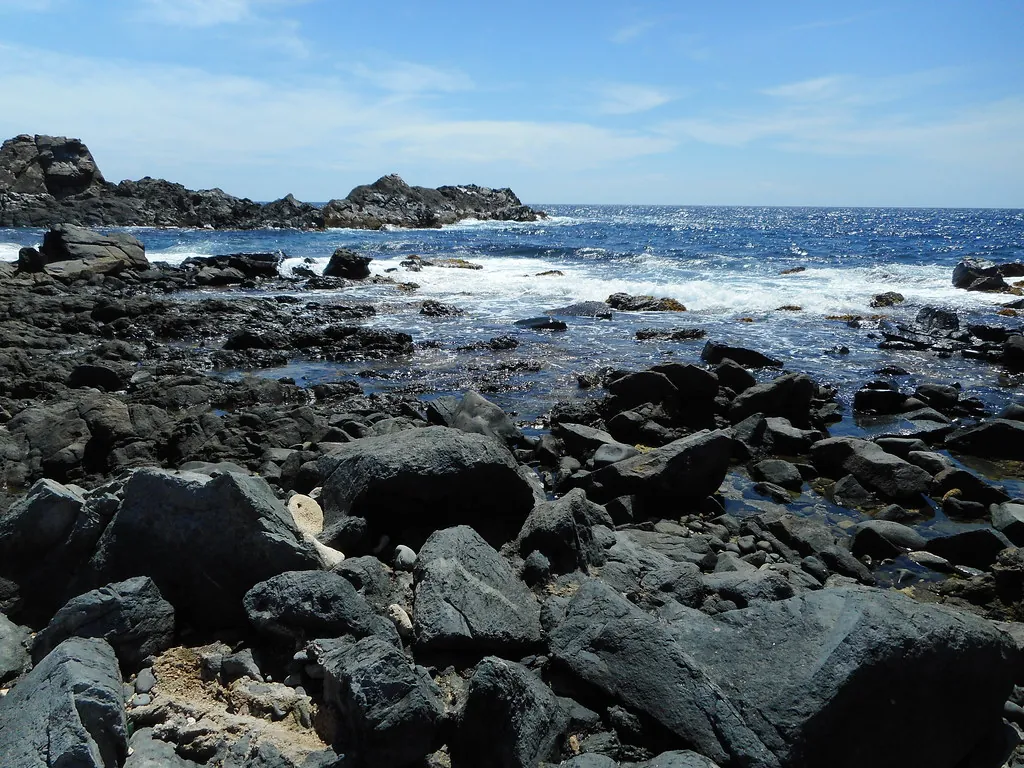
Footwear is where I encourage people to be selective. You need a small rotation of shoes that covers the beach, town and rough ground, rather than a different pair for every outfit. At Conchi, the approach can involve uneven rock, loose gravel and sharp surfaces. Thin-soled flip-flops are a miserable choice for that terrain.
- Keep: Comfortable sandals, one pair of trainers or trail shoes, and sturdy water shoes with a secure fit.
- Leave behind: Multiple high heels, heavy boots intended for cold weather and delicate sandals with slippery soles.
- Choose carefully: Water shoes should grip wet rock and stay on your feet when waves move around you. They reduce the chance of cuts but cannot make rough seas safe.
- For Arikok: Wear closed trail shoes on hikes across dry, rocky ground, where thorny vegetation and uneven surfaces can catch exposed toes.
If Conchi is on your itinerary, read the practical hiking guide to Natural Pool before choosing your footwear. The route and conditions influence what you’ll need, particularly if you’re walking rather than travelling by an authorised off-road vehicle or guided excursion.
Leave It at Home #2: Bulky Beach Towels and Hotel Extras
Before squeezing a thick beach towel into your case, check what your accommodation supplies. Many hotels provide beach towels, and holiday rentals often include bath towels, a hairdryer and an iron. Policies differ, so a quick message to your host is worth the effort. There is little point carrying half a bathroom across the Atlantic only to find it waiting in the wardrobe.
If you’re planning to spend a day at a remote beach or make several stops around Arikok, a thin microfibre towel can be handy. It dries quickly and takes up very little space. I would leave the giant cotton towel at home, especially if you’re travelling with a small daypack for the walk down to Conchi.
Airline liquid rules are another easy place to save space. For many international departures, the familiar carry-on rule limits liquids, gels and aerosols to containers of 100 ml or less, packed in a transparent resealable bag, commonly with a one-litre capacity. Airport rules and security exemptions can vary, so check the requirements for your departure airport and any connecting flights. Put larger bottles in checked luggage when permitted, or buy toiletries locally.
Electrical appliances need a little more thought, particularly for visitors from the UK. Aruba generally uses 120V electricity at 60Hz and US-style Type A and B sockets. Bring a suitable plug adapter for your UK plugs, and check the voltage printed on each appliance. A device rated only for 230V needs an appropriate voltage converter, not merely a plug adapter. Many modern phone chargers and laptops accept 100–240V, but hairdryers and styling tools often do not.
My packing rule is simple: check with your accommodation before you pack anything bulky. A quick message about towels, hairdryers and beach equipment can save valuable suitcase space for the things you actually need on the coast.
Leave It at Home #3: Single-Use Plastics and Breakable Bottles
Aruba has taken steps to reduce disposable plastic waste, including restrictions on certain single-use plastic products. Rules and local policies can change, so check current guidance rather than assuming every item is permitted everywhere. In practice, carrying a reusable bottle and a small shopping bag makes daily life easier, whether you’re picking up lunch in town or heading out for a day of swimming.
The bottle matters particularly at Conchi. There are no dependable facilities waiting beside the rocky pool, and the heat makes it easy to underestimate how much water you need. Aruba’s tap water is produced through desalination and is generally safe to drink, so you can refill your bottle at your accommodation before leaving. For longer excursions, carry more water than you expect to use and follow your guide’s advice about the day’s conditions.
Choose a durable metal or reusable plastic bottle with a secure lid. Glass is a poor choice for a beach bag, where it can break underfoot, and an even worse companion on Arikok’s rocky coast. Broken glass is difficult to spot among pale limestone and loose stones, creating a hazard for other visitors and wildlife.
- Pack instead: A refillable water bottle, reusable shopping bag and a small container for snacks.
- Skip: Disposable carrier bags, unnecessary plastic cutlery and single-use drink containers where reusable alternatives work.
- Bring your rubbish back: Carry a small rubbish pouch for wrappers and other waste when bins aren’t available.
- Leave glass behind: Choose a shatter-resistant bottle for beach days and walks along the rugged coast.
Aruba’s natural coastline is part of the reason people travel here, and keeping it clean is a practical responsibility rather than a holiday extra. Read the Natural Pool visitor rules and guidelines before your trip for advice on protecting the area and behaving safely around the water.
Leave It at Home #4: Drones and Restricted Gear
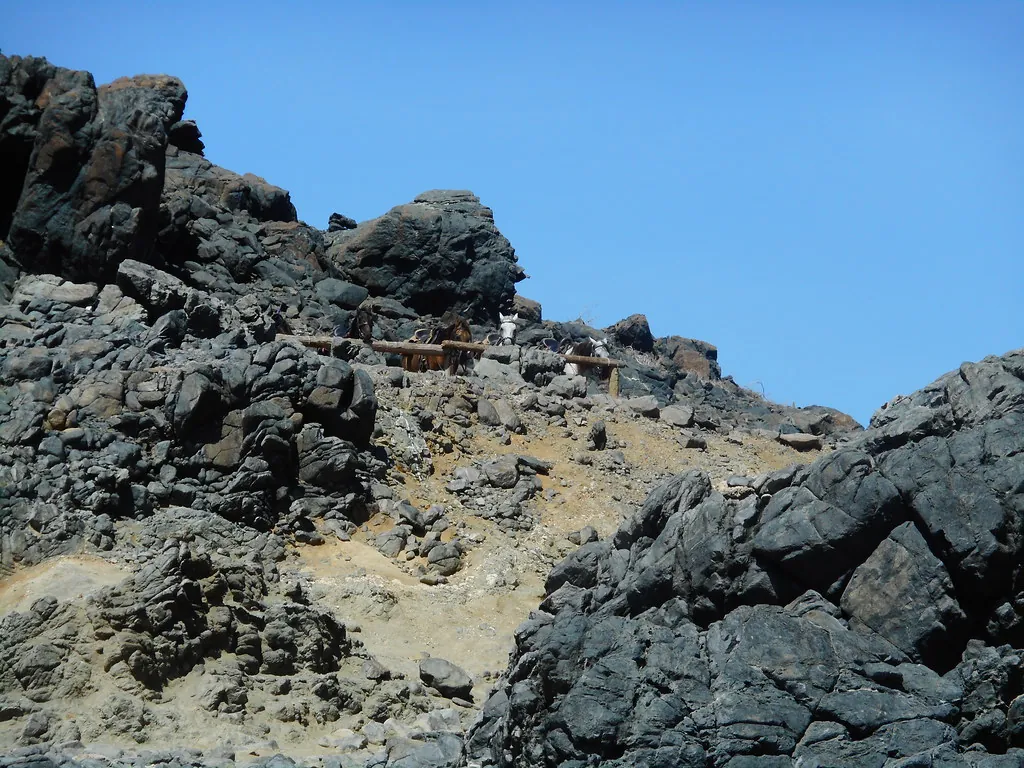
A drone might seem like the perfect way to photograph Aruba’s rugged coastline, but don’t assume you can launch one wherever the view looks spectacular. Drone operations are subject to Aruba’s civil aviation requirements, and airspace restrictions can apply around Queen Beatrix International Airport and other locations. Arikok National Park also has restrictions on drone use, so a holiday rental drone is not a free pass to fly over Conchi.
If aerial photography is an important part of your trip, investigate the current rules and obtain any required permissions well before departure. Approval may depend on the intended location, aircraft and type of operation. Do not launch from the Natural Pool simply because other visitors appear to be taking photographs. Park rules and aviation restrictions take precedence over a memorable social-media clip.
For most visitors, the sensible choice is to leave the drone at home. A phone with a good camera, a compact camera or a GoPro can capture the turquoise water and rugged rock formations without the additional paperwork or risk of an unauthorised flight. I take my battered GoPro, keep it secured when the waves rise and wipe salt spray from the housing after each swim.
Check the latest notices from the Aruba Tourism Authority’s official visitor website and the relevant aviation authority before travelling with specialised equipment. For local protected-area guidance, consult Aruba National Park’s official website, and follow instructions from park staff while you’re there.
Leave It at Home #5: The Overpacked Pharmacy and the Wrong Insect Repellent
You do not need to bring an entire medicine cabinet to Aruba, but a few carefully chosen essentials deserve a place in your luggage. Pack prescription medicines in their original labelled packaging, along with a copy of the prescription where appropriate. Keep essential medication in your hand luggage and check the entry rules for any controlled or restricted medicines before travelling.
A small first-aid pouch is particularly useful if you’re heading to Conchi or hiking through Arikok. Plasters for blisters, antiseptic wipes and basic wound dressings take up little room and can be invaluable after a scrape on rough ground. Bring any personal medication you rely on, along with familiar remedies that may be difficult to find in the exact formulation you prefer.
Mosquitoes are not usually the first thing visitors associate with Aruba’s dry climate, yet bites remain possible, particularly around dawn, dusk and after rainfall. Pack a small repellent containing DEET or picaridin, and follow the product label for application and reapplication. October through December can bring wetter conditions, although mosquitoes may appear at other times of year as well.
Check current health advice from the US Centers for Disease Control and Prevention’s travel health guidance or your country’s equivalent before departure. You can leave duplicate bottles and unnecessary remedies at home, but don’t skimp on medicines you genuinely need.
The Non-Negotiables: Reef-Conscious Sunscreen and Proper Sun Protection
If there is one part of an Aruba packing list I refuse to compromise on, it is sun protection. I carry reef-conscious SPF 50, reapply it throughout the day and wear a hat that stays on when the wind picks up. The Caribbean sun can burn exposed skin quickly, especially when you’re swimming, snorkelling or walking over pale rock that reflects the light back towards you.
Look for broad-spectrum protection against UVA and UVB rays, check the expiry date and choose a formula you’ll actually use generously. Mineral sunscreens containing zinc oxide or titanium dioxide are often selected by travellers concerned about reef impacts, but the term “reef-safe” has no single universal standard and does not guarantee that a product is harmless to marine ecosystems. Follow local guidance and avoid letting sunscreen wash directly into the pool where possible.
Protective clothing can reduce how much sunscreen you need to apply. A lightweight long-sleeved top, a wide-brimmed hat with a chin cord and polarised sunglasses all earn their place in my day bag. If you’re spending hours in the water, consider a rash vest with a suitable ultraviolet protection rating.
- SPF 50 sunscreen: Choose broad-spectrum protection and reapply as directed, particularly after swimming or sweating.
- Sun hat: A secure strap helps keep it on your head when the coastal wind gathers strength.
- Polarised sunglasses: They cut glare from the water and make bright coastal conditions more comfortable.
- Lightweight cover-up: A long-sleeved shirt protects your shoulders on exposed trails.
- Dry bag: Keep your phone, keys and spare clothes away from salt spray and splashes.
For a day at Conchi, pack for the walk and the sea, not simply for the photograph. Water, secure footwear and sun protection matter far more than another outfit.
What to Pack Instead: A Practical Aruba Packing List
The easiest way to avoid overpacking is to give every item a job. If something works for the beach and an informal dinner, it earns its place. If it only suits one unlikely occasion, leave it behind. The table below is designed for a week-long holiday that combines resort time with at least one trip to the island’s rougher eastern coast.
| Item | What to bring | Recommendation |
|---|---|---|
| Everyday clothing | Breathable tops, shorts and lightweight trousers | Choose quick-drying fabrics that work in warm weather. |
| Dinner outfit | One smart-casual outfit | Check the dress code for any upscale restaurant reservation. |
| Footwear | Sandals, trainers or trail shoes, and water shoes | Prioritise grip and comfort on rocky terrain. |
| Beach towel | Use the hotel’s towel or bring a compact microfibre one | Confirm what your accommodation supplies before departure. |
| Sun protection | Broad-spectrum SPF 50, a secure hat and sunglasses | Keep sunscreen accessible for regular reapplication. |
| Water | Reusable bottle with a secure lid | Refill before remote excursions and carry enough for the full outing. |
| Swimming kit | Swimwear and a lightweight cover-up | Pack a spare set if you plan several water-based activities. |
| Electronics | Phone, charger, camera and suitable plug adapter | Check voltage compatibility and protect equipment from salt spray. |
| First aid | Blister plasters, basic dressings and personal medication | Carry essential medicines in your hand luggage. |
| Insect protection | Small bottle of DEET or picaridin repellent | Use according to the label, particularly around dusk. |
| Waste and storage | Reusable bag, small rubbish pouch and dry bag | Bring your rubbish back from remote beaches and trails. |
| Restricted equipment | Leave recreational drones behind unless all required permissions are confirmed | Check aviation and national park rules before planning a flight. |
Packing for Conchi: What Changes When You Leave the Resort
The Natural Pool, known locally as Conchi, sits within Arikok National Park on Aruba’s rugged eastern coast. Conchi means shell in Papiamento, so think nature’s own shell pool, enclosed by rock with the Atlantic moving just beyond it. The setting is extraordinary, but reaching it requires more preparation than a stroll from a beachfront hotel.
Depending on your chosen route and conditions, getting there may involve a guided off-road tour, an authorised vehicle or a hike. The track can be rough enough to feel like a tumble-dryer ride, with dust blowing through the air and bumps making loose belongings jump about. Keep your phone and camera secured, wear footwear that suits the terrain and leave anything fragile or precious in your accommodation.
For detailed route choices and transport considerations, use the guide to getting to Natural Pool. If you’re weighing up a hike against an off-road excursion, the Conchi hiking guide explains what to consider before setting off. Read the visitor safety guidance before swimming, as conditions at the pool change with waves and weather and there is no lifeguard on duty.
- Water: Carry plenty for the journey and hike, with additional supplies if your guide recommends them.
- Footwear: Wear sturdy shoes for the approach and bring secure water shoes if you intend to enter the pool.
- Sun protection: Apply sunscreen before leaving and bring enough for reapplication.
- Camera protection: Use a secure strap or dry bag to protect your gear from dust, salt and splashes.
- Food: Pack a light snack if your outing is long, and take every wrapper back with you.
- Swimming judgement: Never enter the water simply because others are swimming. Waves can surge over the rocks, and the entry can be slippery.
There is no need to carry a full picnic hamper or a large change of clothes for a short visit. A compact bag with the essentials is easier to manage on uneven ground, especially when you need both hands free to steady yourself. If conditions are rough, enjoy the view from a safe position rather than risking a swim for the sake of a photograph.
Check the Weather Before You Zip the Suitcase
Aruba’s climate is warm throughout the year, but wind and rainfall still affect what makes sense to carry. A breezy day on the eastern coast can feel quite different from an afternoon beside a sheltered resort pool. Check the forecast shortly before departure, then check it again before heading into Arikok. A small weather update can help you decide whether to bring a light rain layer, extra sun protection or a change of plans.
For official travel information and destination guidance, start with Aruba’s tourism website. You can also check your country’s travel advice before departure and consult the CDC travel health reference for current health recommendations. These are more reliable for changing guidance than an old packing list saved on social media.
A Simple Packing Routine Before You Leave
Give yourself a few minutes to check your bag against your itinerary rather than packing for every possible version of the holiday. This routine works particularly well if you’re combining beach days with a visit to Conchi.
- Check your accommodation: Confirm whether towels, a hairdryer, an iron and beach equipment are included.
- Build a small clothing rotation: Choose breathable daytime outfits and one smart-casual option for evenings.
- Test your footwear: Make sure trainers and water shoes fit securely and are comfortable before the trip.
- Sort your electronics: Check chargers for voltage compatibility, pack the correct plug adapter and protect delicate equipment.
- Prepare your day bag: Add sunscreen, a reusable bottle, a hat, sunglasses, a dry bag and basic first aid.
- Check restrictions: Review current park guidance, aviation rules and airline baggage requirements for any specialist equipment.
- Leave room for the return journey: Avoid filling every corner with things you may never use.
Pack Light, Then Get Ready to Explore
The best Aruba packing list is the one that leaves you comfortable enough to enjoy the island beyond the hotel pool. Skip the heavy formalwear and spare shoes, leave the bulky towel if your accommodation supplies one, and keep disposable plastics and unauthorised drones out of your luggage. Spend that saved space on a refillable bottle, secure footwear and the sun protection you’ll reach for every day.
When I head towards Conchi, I still take my reef-conscious SPF 50, two bottles of water and my battered GoPro. Everything else has to justify its weight. The rocky coast rewards sensible preparation, and a lighter bag makes the whole outing easier, from the bumpy ride through Arikok to the final careful steps down towards the sea.
If Natural Pool is on your itinerary, compare the practicalities of a guided excursion with the alternatives before setting off. The Natural Pool tours and tickets guide can help you explore available options, while the costs and fees guide helps you budget for park access and transport.
Compare Natural Pool Tour Options →