Top Things to Do in Aruba Beyond the Beaches
The first time I drove east from Savaneta and watched Aruba’s resort strip shrink in the rear-view mirror, the island began to feel entirely different. The hotels gave way to thorny divi-divi trees, towering cacti and dusty tracks winding towards a coastline where the Atlantic crashes against ancient volcanic rock. I had come to Aruba for a week of sunshine six years ago, and this was the landscape that persuaded me to stay. The beaches are lovely, of course, but the island beyond them is where the proper adventure begins. This guide ranks the best things to do in Aruba beyond the beaches, with realistic timings, budget guidance and practical combinations for a one, two or three-day Aruba itinerary. I’ll keep the Conchi detail light here because the full guides live elsewhere on this site, including our Natural Pool visitor guide and dedicated hiking guide.
The best of Aruba begins where the resort roads end. Give the island a day beyond the beach, and its wild eastern side may become the part you remember longest.
The Best Things to Do in Aruba at a Glance
I’ve ranked these experiences by the payoff they deliver, how well they fit into a sensible route around the island and how distinctly Aruban they feel, rather than by price alone. Costs below are broad planning estimates per person, not guaranteed current admission fees or live tour quotes. Your transport, group size and chosen operator can change the final bill.
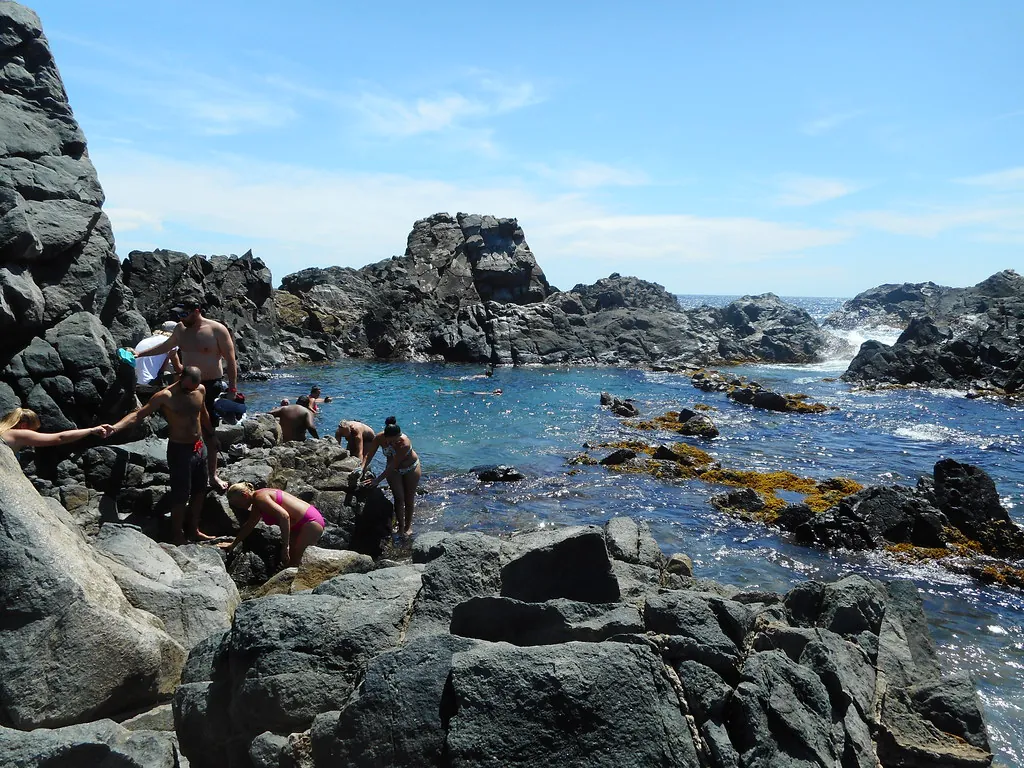
1. Arikok National Park and Conchi: Aruba’s Wild Side
Arikok National Park is my number-one recommendation for anyone who wants to understand Aruba beyond its famous strip of white sand. The protected landscape covers roughly a fifth of the island and brings together rugged volcanic hills, limestone caves, dry forest, old farm ruins and a north coast that takes a proper battering from the sea. Plenty of visitors spend their entire holiday between Palm Beach and Eagle Beach without ever crossing the park entrance. I think they’re missing a rather large part of the story.
The park rewards an unhurried visit. Around the San Fuego visitor centre, you can get your bearings before heading towards the coastal tracks, the rocky scenery around Boca Prins or the caves farther east. The landscape changes as you travel, from scrubby inland hills to pale limestone and dark lava formations beside the ocean. Even the journey between stops feels like an excursion, especially when your vehicle rattles across the rougher sections in what I call a tumble-dryer ride.
- Conchi, the Natural Pool: A natural rock basin on the wild coast, where a protective rim separates the pool from the open sea. It is the park’s most memorable stop for many visitors.
- Boca Prins: A dramatic coastal viewpoint with waves breaking against a rugged shoreline. Treat the water here as scenery rather than a swimming invitation.
- Arikok’s caves: Limestone chambers with natural roof openings, geological formations and evidence of Aruba’s human history.
- Volcanic hills: The park’s higher ground offers a completely different view of the island from the flat resort coastline.
- Historic countryside: Remains of old country settlements and farm buildings reveal how people once lived in this dry landscape.
- Nature trails: Walking routes bring you closer to native plants and wildlife, although shade can be scarce and the sun is fierce around midday.
Your park admission and your transport are separate considerations. A park ticket covers access according to the current admission rules, but it does not automatically include a vehicle, a guide, a tour transfer or drinking water. Check the official Aruba National Park website before setting off, particularly for current fees, opening information and access restrictions. Our Arikok and Conchi cost guide, 4×4 driving guide and visitor rules cover the details that deserve their own space.
Allow at least half a day for a focused park visit, and longer if you want to walk between stops or explore the caves. If you’re travelling without suitable off-road transport, a guided safari is often the least stressful option. You can compare available trips on our Natural Pool tours and tickets page.
2. Conchi, the Natural Pool: A Swimming Spot with a Wild Edge
Conchi is the stop that gives Arikok much of its magic. A broad bowl of rock holds a pool of seawater, while a rugged rim takes some of the force out of the open surf. Waves crash beyond the edge, sending spray into the air, and the contrast between the sheltered water and the restless ocean is extraordinary on a clear day. The setting feels far removed from the manicured resort beaches, which is precisely why I rate it so highly.
Conchi means “shell” in Papiamento, so think nature’s own shell pool, shaped by rock and sea rather than built for a resort brochure.
The honest caveat matters: there is no lifeguard, access into the water is over uneven rock, and conditions change with the north swell. A calm-looking pool can still be affected by surging water, so never treat a swim as guaranteed. Read our dedicated Natural Pool swimming and safety guide before deciding whether to enter, and use the transport guide or tour options to plan the journey. I won’t repeat the route instructions here, because they deserve more detail than a general island guide can give them.
3. Explore Arikok’s Caves
Arikok’s caves make an excellent companion to Conchi, particularly when the midday light becomes too fierce for a long stretch outdoors. The limestone chambers offer a cooler, quieter atmosphere, and some contain evidence of early human activity. Their character varies considerably, from accessible spaces with daylight falling through openings in the roof to darker passages that call for more care underfoot.
Guadirikiri Cave
Guadirikiri is known for its chambers and openings in the ceiling that send shafts of sunlight onto the cave floor. Bats live in the darker areas, and the changing light makes this one of the park’s most memorable geological stops. Follow signed access routes and keep your voice low near the colony.
Quadirikiri and Other Cave Passages
Spellings and local references can vary, so check the park’s current map rather than assuming every similar name identifies a separate attraction. Some passages are darker or more awkward to access than others, and visitors should stick to permitted routes instead of crawling into restricted sections for a photograph.
Wear closed shoes with a good grip, carry a torch or a phone light as a backup, and watch your head where the ceiling drops. Leave the rock formations alone, never disturb bats and respect any temporary closure signs. A cave visit is best when you can take your time, rather than rushing through in the hottest part of a packed itinerary.
- Check current access at the visitor centre before travelling to a cave.
- Use a light in dark passages and keep your hands free where the ground is uneven.
- Do not touch bats, disturb wildlife or leave litter behind.
- Never enter a closed or restricted section, even if another visitor appears to have done so.
4. Visit the California Lighthouse
At Aruba’s north-western tip, the California Lighthouse rises above a landscape of pale sand, scrub and restless sea. The lighthouse is a useful counterpoint to Arikok: the park feels remote and rugged, while this corner of the island is easy to reach from the main resort areas and makes a relaxed addition to a half-day outing.
I prefer visiting in the late afternoon, when the light softens and the coastline takes on a warmer colour. On a clear day, the views stretch across the island’s western side, with the sea providing a spectacular backdrop for photographs. The surrounding area is exposed, so bring a hat and water even if you’re only stopping briefly. The wind can make the temperature feel pleasant while the sun continues to burn.
Pair the lighthouse with a scenic drive along the nearby coast or a meal around the resort district. If climbing the tower is important to you, check current opening times, admission arrangements and any access restrictions before travelling. You can find broader trip inspiration through the Aruba Tourism Authority’s official website.
5. Spend a Few Hours in Oranjestad
Aruba’s capital deserves more than a quick drive past the cruise terminal. Oranjestad combines colourful Dutch-Caribbean architecture with a waterfront promenade, shopping streets and glimpses of the island’s layered history. It is also one of the easiest places to explore without hiring a vehicle, making it a sensible choice for travellers who want a change from beach days and long drives.
Give yourself two to four hours to wander the historic centre, browse local shops and stop for something cold to drink. The colourful facades make lovely photographs, but take time to notice the smaller details too: shaded verandas, old buildings and the everyday rhythm of a working capital. Cruise-ship arrival times can influence how busy the central streets feel, so an early visit often makes for a more relaxed walk.
Oranjestad works particularly well on a day when the weather is unsettled or when you need a gentler pace after an off-road excursion. If your visit coincides with a cruise call, consult the Aruba Ports Authority for official port information. Leave enough time for lunch rather than trying to fit the capital into a hurried shopping stop.
6. Snorkel Around the Antilla Shipwreck
Aruba’s underwater world is a strong reason to get beyond the shoreline, and the Antilla shipwreck is one of the island’s best-known marine attractions. The wreck lies off the north-west coast and attracts snorkellers and divers who want to see a large historic vessel gradually claimed by the sea. Coral growth and marine life have transformed sections of the wreck into an underwater habitat, although visibility and conditions vary.
A guided boat trip is usually the easiest option for visitors without their own equipment or local knowledge. Choose a reputable operator, check whether the excursion is suitable for your swimming ability and listen carefully to the crew’s briefing. Currents, wind and boat traffic all matter, and even a popular snorkelling site is not automatically safe in every condition.
Morning trips are often a practical choice because they leave room for lunch and other plans later in the day. Bring reef-safe sunscreen, use a well-fitting mask and avoid touching coral or climbing on the wreck. If you would rather snorkel from shore, ask a local operator about conditions at an appropriate beach rather than assuming every stretch of Aruba’s coast is equally sheltered.
7. Take a Sunset Sailing Trip
After a day bouncing along dusty park tracks, I can think of few better contrasts than stepping aboard a sailing boat as the sun drops towards the Caribbean horizon. Sunset cruises usually depart from the resort coast and spend the early evening offshore, where the light turns the water gold and the island begins to glow behind you.
Most trips last around two or three hours, with inclusions varying by operator. Some have drinks and snacks in the price, while others charge extra for particular packages. Compare departure times, cancellation conditions and the type of boat before booking, especially if you are travelling with children or anyone prone to seasickness.
Reserve ahead during busy holiday periods, and arrive early enough to board without a rush. A light layer can be useful once the breeze picks up, even in Aruba’s warm climate. If your holiday includes both Conchi and a sunset sail, keep them on separate parts of the day: the park deserves daylight, and the sailing trip is best enjoyed without watching the clock.
8. Eat Your Way Through Local Aruba
Food is one of the simplest ways to get a feel for Aruba’s character. The island’s cooking draws on Caribbean traditions alongside Dutch, Latin American and other influences, so menus can range from hearty stews to fresh fish and quick snacks from local counters. I always encourage visitors to try at least one meal away from the main hotel restaurants, where everyday island food often makes for a more personal experience.
Start with keshi yena, a rich dish traditionally made with cheese around a savoury filling, or try pastechi, a pastry commonly eaten as a snack. Fish dishes and seafood are popular choices near the coast, while local lunch spots may serve stews with rice or funchi, a cornmeal side dish. Menus and recipes vary from kitchen to kitchen, which is part of the pleasure.
Budget-minded travellers can often find a filling snack or casual meal for under US$20, while a full restaurant dinner may cost considerably more. Ask about the day’s specials and check whether service charges are included before paying. A relaxed lunch in a local neighbourhood also fits neatly into a southern-island drive, particularly if you plan to visit San Nicolas afterwards.
9. Visit Donkey Sanctuary Aruba
Donkey Sanctuary Aruba is a worthwhile stop for travellers who enjoy wildlife and want to support a local conservation effort. Donkeys have a long history on the island, and the sanctuary cares for animals that need protection and ongoing attention. The visit has a gentler pace than the national park’s rough tracks, making it an appealing addition to a family day out or a quieter morning.
Allow around one to two hours, depending on how much time you spend observing the animals and learning about the sanctuary’s work. Check the organisation’s official information before setting off for current opening arrangements, donation guidance and visitor rules. Animal welfare should come before photographs, so follow staff instructions and avoid feeding animals anything that has not been approved.
Take water and sun protection, as shaded areas can be limited. If you are building a day around the eastern side of the island, check the driving distances between your chosen stops rather than assuming every attraction sits close together. The sanctuary and Arikok can work in the same broad outing, but allow enough time for the park itself.
10. Wander Through the Butterfly Farm
The Butterfly Farm near the main resort area is an easy, family-friendly change of pace. Inside the tropical enclosure, butterflies move between flowering plants while guides explain their life cycle and the conditions they need. It is a smaller attraction than Arikok, but that makes it simple to fit into a morning without sacrificing an entire day.
Plan on roughly 45 to 90 minutes, and check the farm’s current opening hours and admission details before visiting. Morning is often a good time to see butterflies active in the enclosure. Move slowly, watch where you step and avoid touching wings, even when a butterfly lands nearby.
Families can combine the visit with lunch or an afternoon at a nearby beach, while couples may prefer to treat it as a brief stop between sightseeing and dinner. The attraction is particularly useful if you want an island experience without the heat and physical effort of a long hike.
11. Discover the Street Art of San Nicolas
San Nicolas, in southern Aruba, has a distinctive artistic identity that feels very different from the resort strip. Murals brighten walls throughout the town, turning an ordinary walk into a chance to see local creativity and learn more about the community. The artwork varies in subject and style, with some pieces drawing on Caribbean identity, nature and local history.
Allow an hour or two to explore on foot, take photographs respectfully and stop at a local café if one catches your eye. Early morning and late afternoon are comfortable times to wander, particularly when the midday heat is intense. Remember that this is a lived-in town rather than an open-air set: avoid blocking doorways, photographing people without permission or treating private property as part of the attraction.
San Nicolas combines naturally with a southern-island drive, particularly if you are heading towards Baby Beach. Allow extra time for the return journey and check the route before leaving, as distances can be longer than they appear on a small map of the island.
Comparing the Best Aruba Experiences
These experiences suit different budgets and energy levels. Use the comparison below to decide which deserve a full morning, which fit into a short stop and which are worth reserving before you arrive. Costs are indicative planning bands, and entrance fees or tour prices can change.
Suggested Aruba Itineraries for One, Two or Three Days
Aruba is compact enough for a varied itinerary, but the rough eastern roads and the time needed for proper stops make it unwise to cram every attraction into a single day. These combinations keep the driving manageable and leave room to enjoy each place rather than racing through a checklist.
One Day: The Essential Wild Coast
- Start early with a visit to Arikok National Park, allowing time for the visitor centre and selected park stops.
- Visit Conchi if conditions and access arrangements are suitable. Read the dedicated safety and transport guidance before deciding on a swim or walking route.
- Explore an accessible cave or coastal viewpoint if time permits, then leave the park with enough daylight for the return journey.
- Finish with a relaxed dinner near your accommodation rather than adding another long drive after a demanding day.
Two Days: Wild Aruba and the Capital
- Spend day one in Arikok, including Conchi or a selection of other park highlights, depending on transport and weather.
- On day two, visit Oranjestad in the morning for a walk through the historic centre and time for lunch.
- Head towards the California Lighthouse later in the afternoon for coastal views, then enjoy a sunset sail if you have booked one.
Three Days: Nature, Culture and the Sea
- Use the first day for Arikok National Park and Conchi, keeping the schedule flexible for conditions and travel time.
- Explore Oranjestad, visit the Butterfly Farm or Donkey Sanctuary, and sample local food on the second day.
- Reserve the third day for Antilla snorkelling, San Nicolas street art or a southern-island drive, then finish with a sunset cruise if the timings work.
Choose Experiences That Suit Your Travel Style
For Families and Easygoing Travellers
Oranjestad, the Butterfly Farm, Donkey Sanctuary and a sunset sail offer variety without requiring a full day on rough tracks. Families considering Conchi should assess the rocky entry and changing sea conditions carefully, especially with young children or anyone who is not a confident swimmer. A guided park excursion can simplify transport, while a shorter attraction is often the better choice after a long travel day.
For Adventure Seekers
Arikok, Conchi, the limestone caves and Antilla snorkelling belong near the top of your list. Set aside enough daylight for the park, choose transport suited to the terrain and follow local access instructions. If you enjoy hiking, our Conchi hiking guide explains the walking option in more detail. The rough coast rewards good preparation, not bravado.
Practical Tips for Exploring Aruba Beyond the Beaches
Aruba’s dry climate and steady trade winds can make outdoor excursions feel easier than they are. I carry reef-safe SPF 50, two bottles of water and my battered GoPro whenever I head east, and I still plan around the heat. A little preparation makes a substantial difference when the nearest shade is a distant cactus.
- Start early: Morning departures leave more comfortable hours for walking and give you a buffer if a park stop takes longer than expected. Choose transport carefully: Ordinary rental cars are not suitable for every rough park track, and rental agreements may restrict off-road use. Read the terms before setting off. Our
- transport guide and
- 4×4 guide explain the alternatives. Carry enough water: Bring more than you expect to drink, especially for hikes or long stretches outside the resort areas. Wear suitable footwear: Closed shoes or sturdy hiking footwear are preferable for rocky ground and caves. Water shoes may help at rocky swimming locations, but they do not remove the risks posed by waves or currents. Check the weather and sea conditions: Wind and swell can affect the coast even when the sky is bright. The
- Aruba Meteorological Department is a useful official source for weather information.
For a broader picture of official visitor information, the Aruba Tourism Authority is a useful starting point, while the Aruba National Park website is the place to check park-specific information. Read our Aruba packing guide before travelling, especially if your plans include hiking or an off-road excursion.
Plan Your Aruba Adventure
If you have time for only one major excursion beyond the resort strip, I would choose Arikok National Park and plan the day around its conditions and access rules. The combination of volcanic terrain, caves and the wild coastline gives you a sense of Aruba that is difficult to find from a sun lounger. Conchi is often the highlight, but the wider park is what makes the journey worthwhile.
For a smoother visit, decide whether you want to drive, hike or join a guided excursion before you set a date. Use our tour comparison page to review available trips, the cost guide to plan your budget and the visitor rules to prepare for the park. Then leave a little space in your itinerary for an unexpected viewpoint or a local lunch. Those unplanned stops have a habit of becoming the stories you tell when you get home.
Compare Natural Pool Tours and Prices → Plan Your Journey to Conchi →